
That’s where many individuals feel the move turn from exciting to heavy.
In Perth, that pressure often gets worse because property timelines don’t always leave much breathing room. Australia’s housing market has operated with chronically low supply, which helps explain why even small shifts in listings can push people into tight settlement windows and fast-moving relocations, especially when one sale and one purchase have to line up at the same time, as noted in this housing supply and turnover context.
If you’re searching for house movers houses for sale, you’re usually not looking for theory. You want a plan that works in real life.
A practical starting point is to treat the move as a sequence, not a scramble. If you’re juggling both sides of a property transaction, this guide from Marilynn Wolfe on selling and buying is a useful companion because it speaks to the timing issues that often create moving stress in the first place.

The stress associated with moving doesn’t typically arise because it’s complicated. It arises instead because everything seems equally urgent at once.
One hour you’re standing in the new house working out where the couch will go. The next, you’re wondering whether the washing machine hoses fit, whether the settlement funds have fully cleared, and whether anyone remembered to redirect the mail.
That’s normal. A move feels messy when there’s no order to it.
Read More →In Perth, I see the same pattern again and again. Families assume they’ve got time after settlement, then discover the calendar is tighter than expected. Access has to be coordinated, keys have to be collected, lifts need booking, and the old home often still has presentation obligations if it hasn’t completely wrapped up.
Practical rule: The move gets easier the moment you separate it into three jobs. Preparing the old house, transporting your belongings, and setting up the new house.
Dealing with house movers houses for sale often involves both a property transaction and a removal problem simultaneously. Those are related, but they’re not the same task. If you mix them together, every decision feels rushed. If you split them apart, the workload becomes manageable.
The old house needs sorting, decluttering, and final access planning. The move itself needs timing, labour, and a truck that suits the job. The new place needs essentials first, then staged unpacking so you can live normally within a day or two instead of tripping over cartons for weeks.
That’s the mindset that calms the whole process down. You don’t need to solve the entire move today. You need to decide what gets handled first, what can wait, and what shouldn’t be left to the last minute.
A smooth move starts earlier than commonly assumed. If you leave planning until the last fortnight, small problems stack up fast. Good moves are usually quiet because the hard decisions were made well before the truck arrived.
Use one binder, one notes app, or one shared folder. Don’t spread details across text messages, emails, sticky notes, and screenshots.
Your control point should include:
If you’re still working through the finance side of changing properties, this page on find home mover mortgage advice is worth a look because it helps frame the lending side of a move in plain language.
A practical timeline matters more than a perfect one. If you have more time, great. If you have less, compress the same sequence instead of skipping key steps.
A simple planning tool helps here. Emmanuel Transport provides a moving planner for Perth households that’s useful when you want one checklist instead of ten loose ones.
The final month is where people lose time through indecision, not labour.
If you haven’t decided whether an item is going, selling, or storage, it will still be sitting there when the truck arrives.
Use this shortlist in the last few weeks:
| Timing | Priority | What matters |
|---|---|---|
| 4 to 6 weeks out | Pack non-essentials | Seasonal items, books, spare linen, decor |
| 2 to 4 weeks out | Confirm logistics | Truck access, parking, lift bookings, pet care |
| Final week | Prepare for living | Essentials bag, chargers, medications, kettle, documents |
The best blueprint is boring in the right way. Nothing heroic. Nothing rushed. Just clear decisions made in the right order.
Choosing a removalist isn’t about finding the cheapest line item. It’s about finding a crew that can handle your actual job without turning moving day into a patch-up exercise.
Start with fit, not price. A mover who’s fine for a small unit relocation may not be right for a full family home with stairs, antiques, and difficult access.
Check these points first:
A quote should tell you what’s included, what isn’t, and what could change the price. If it doesn’t, it’s not detailed enough yet.
Look for clarity around:
Quote check: If two quotes look far apart, ask each company to list the exact labour, truck size, materials, and handling included. That’s usually where the real difference sits.
For Perth household moves, one local option is Emmanuel Transport’s house moving service, which states its quotes are free and transparent and that the team can handle packing, wrapping, dismantling and reassembly as part of residential moves.
Free, transparent quotes with no hidden fees are more useful than a low starting figure that changes once access, bulky furniture, or packing needs come into view.
A short call often tells you more than a polished website. Ask direct questions and listen for direct answers.
The best booking decisions usually come from comparing clarity, capability, and fit. Price matters, but it shouldn’t be the only filter. A cheaper move isn’t cheaper if your timing blows out or your furniture arrives damaged.
Packing goes badly when people treat every room the same. A kitchen, a linen cupboard, and a garage don’t need the same method. They also don’t need the same deadline.
If you’re selling as well as moving, the packing order should support presentation. In a Perth removal workflow, the strongest sequence is to pre-pack non-essentials, remove bulky items that obscure room proportions, then stage key anchor spaces immediately before the photo shoot. National survey evidence reported by NAR found 29% of agents saw a 1% to 10% price increase from staging and 49% saw faster sales in this home staging report.
That matters because packing isn’t only about moving out. It can also improve how the current home presents before the campaign starts.
If you need practical ideas for reducing visual clutter without making the house feel empty, this guide on organize your home with furniture has useful examples of using storage pieces to control mess while the property is still being lived in.
Use a different standard for each area.
A lot of homeowners do better with zones than with room names. Keep a “sell”, “donate”, “bin”, and “move” area going from the start. That stops packed boxes from becoming a second kind of clutter.
DIY packing works well when the items are straightforward and time is on your side. It works poorly when people leave fragile, bulky, or awkward pieces until the final day.
Pack yourself if the items are:
Bring in professional packing help for items such as:
Some damage doesn’t happen in the truck. It happens the night before, when someone tries to rush-wrap a fragile item with the wrong materials.
For decluttering support before the move, this guide to declutter before moving house is a practical place to start. The less you move, the easier every other decision becomes.
The final week should be about reducing variables. If you’re still making major packing decisions at that point, moving day will feel harder than it needs to.
Keep the household functional, but strip it back. Pack an essentials box, confirm every booking, and make sure your important documents and keys are kept somewhere secure.
The calmest move days usually have one adult dedicated to decisions and access, not lifting.
Continue Reading →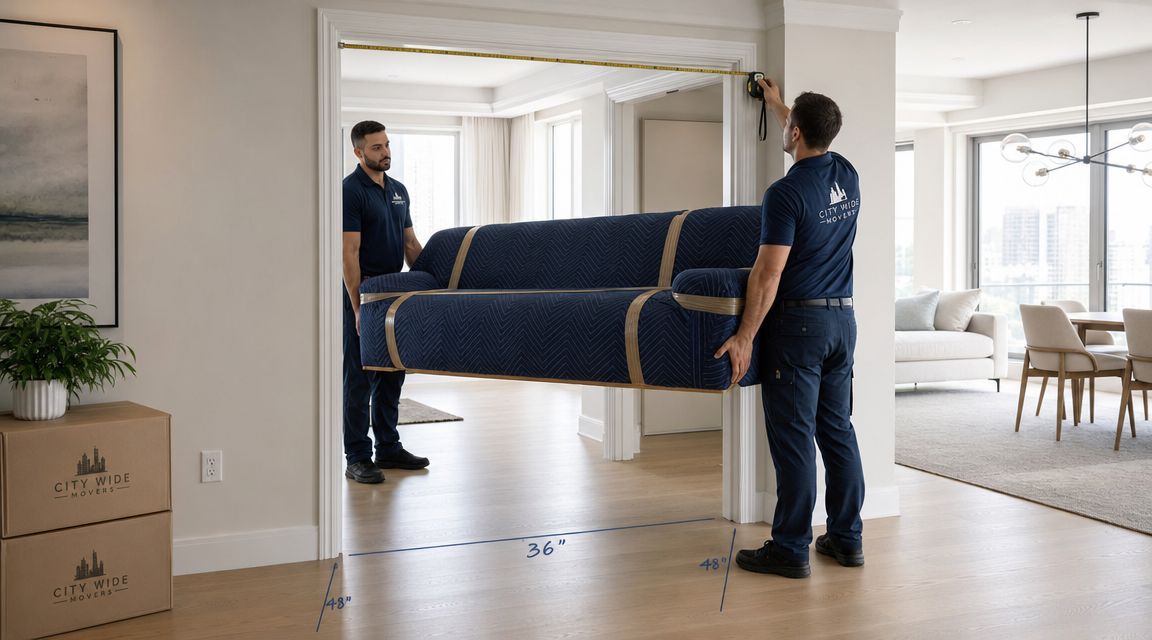
Keep the household functional, but strip it back.
At this point, labels matter more than tape. Mark boxes by room and priority. “Kitchen” isn’t enough. “Kitchen, open first” saves time.
The day before is for prep, not exhaustion.
The calmest move days usually have one adult dedicated to decisions and access, not lifting.
On the morning itself, walk the crew through the property clearly. Point out fragile items, boxes that must travel upright, and anything staying behind. Then do one last sweep of cupboards, wardrobes, bathrooms, laundry, and outdoor areas before you lock up.
Don’t try to unpack the whole house on day one. Get the basics operating first.
Focus on:
If the utilities are on, the beds are made, and you can make a cup of tea, the move is already in good shape.
Moving within Perth looks simple on paper. In practice, the suburb, the street, and the weather change the whole job.
Perth has been busy on the property side. In Western Australia, Perth was one of the strongest capital-city markets, with dwelling values up 19.9% year-on-year in January 2025, and REIWA reported Perth’s median house price at $750,000 in early 2025, according to this Perth market snapshot. When sales move quickly, removals often have to fit tighter windows too.
That’s why local timing matters. A run that looks short on a map can become awkward if it crosses major corridors at the wrong time or if the receiving property has limited unloading space. Summer heat also changes the pace of a move. Early starts, water on hand, and sensible sequencing for heat-sensitive items help more than people expect.
Older suburbs often bring access issues. Narrow streets, mature trees, smaller driveways, and tighter verges mean truck placement needs thought before the day. Newer estates usually have wider roads, but they can still present problems with unfinished landscaping, restricted parking, or long carries from kerb to front door.
A few practical Perth habits help:
A mover who knows Perth doesn’t just know the suburb names. They know the difference between an easy Joondalup unload, a tight inner-suburb street, and a Rockingham job where driveway access changes the entire loading order.
It usually points to one of two searches. The first is a normal household move where someone has bought or sold a home and needs a removalist for their furniture and cartons. The second is a search for an actual relocatable house that can be transported from one site to another.
Those are very different jobs. One is a contents move. The other is a structural relocation project.
Yes, but that’s not what a standard removalist does.
Moving a physical house in Australia requires permits, road-transport approvals, powerline lifting, and site preparation. That turns the job into a multi-stage engineering and logistics project rather than a simple furniture move, as outlined in this Australian house relocation overview.
Not necessarily. The purchase price of a relocatable house can be a small part of the total project.
There’s also a condition risk that catches buyers out. Second-hand houses can come with asbestos-containing materials, termite damage, subfloor problems, and non-compliant wiring or plumbing. Once a structure is lifted, transported, and reinstalled, those issues can become more expensive and more urgent to fix.
A cheap house and a cheap dwelling outcome are not the same thing.
If your search for house movers houses for sale is really about moving your belongings into a newly bought Perth home, you’re looking for a removalist. If it’s about transporting the building itself, you need a specialist house relocation company and a very different budget, approval path, and risk assessment.
Your Local Removalists Near You