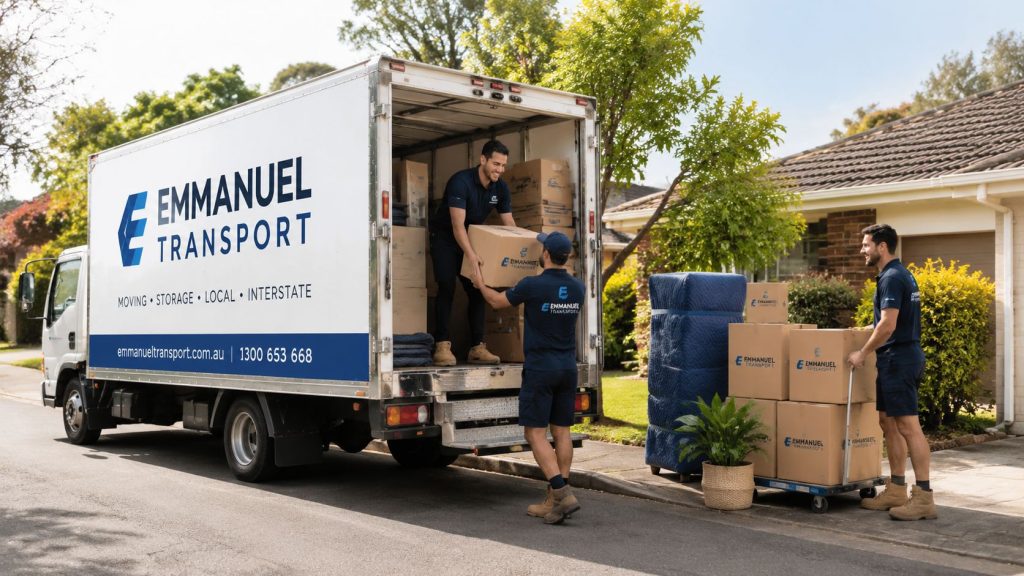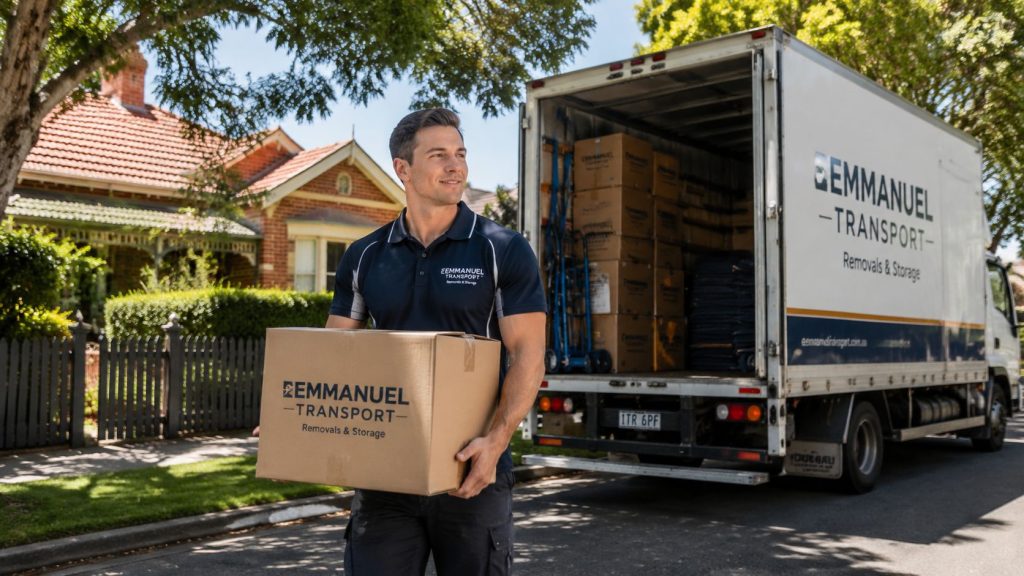
Moving house can feel overwhelming, but a structured plan transforms it from a monumental task into a manageable project. This comprehensive checklist moving house is your definitive guide, designed to navigate you through every stage of the process, from eight weeks out to the day you settle into your new Perth home. It breaks down the entire relocation into clear, actionable steps, ensuring no detail is overlooked.
We will cover ten critical stages, providing a time-based framework that simplifies planning and execution. You'll learn the most efficient ways to declutter and sort your belongings, how to book the right removalist like Emmanuel Transport for your specific needs, and the importance of notifying organisations of your change of address in a timely manner. We'll also dive into the logistics of arranging utility connections, preparing furniture for transit, and creating a detailed inventory system that makes unpacking a breeze.
This guide is more than just a list; it’s a strategic tool. Each point includes practical implementation details, from professional packing tips to finalising insurance coverage for your valuables. Following this structured approach will not only keep you organised but will also significantly reduce the stress typically associated with moving. While this guide focuses on local Perth moves, if your seamless relocation involves a long-distance move, a detailed relocating to another state checklist can provide specific guidance. Let's begin building your plan for a smooth and successful move.
1. Declutter and Sort Your Belongings
The most effective step you can take in any checklist moving house is to declutter before you pack a single box. This foundational task involves systematically sorting through every item you own and deciding whether to keep, sell, donate, or discard it. Reducing the volume of your possessions directly translates to a faster, cheaper, and less stressful move, especially since removalists like Emmanuel Transport often calculate quotes based on the total volume and weight of your goods.

Why Decluttering is Non-Negotiable
Moving everything you own without sorting is a common mistake that costs both time and money. For instance, families downsizing from a large suburban house to a city apartment often find they need to reduce their furniture by up to 40% to fit the new space. Similarly, businesses undertaking an office relocation can cut logistics and moving costs by nearly a third just by responsibly disposing of outdated equipment and archived documents. By decluttering, you only move what you truly need and love.
Expert Insight: "Every item you decide not to move is a triple win: you save money on transport, save time on packing and unpacking, and start life in your new home with a clean, organised slate."
How to Implement the Four-Box Method
Start this process at least 6-8 weeks before your moving day to avoid last-minute panic. Tackle one room or even one cupboard at a time to keep from feeling overwhelmed.
- Keep: These are items you use, need, or have a strong sentimental attachment to. Place them aside to be packed later.
- Sell: Good-quality items you no longer need can be sold online. Take clear photos and list them on platforms like Facebook Marketplace or Gumtree well in advance.
- Donate: Items in good, usable condition can go to local charities. Remember to schedule a pickup service early, as their availability can be limited, especially during peak moving seasons.
- Discard: This category is for anything broken, expired, or unusable. Check with your local council for hard rubbish collection dates or recycling guidelines.
2. Book Your Removalist Early and Obtain Free Quote
Once you’ve decluttered, the next critical task on your checklist moving house is securing a professional removalist. Booking your mover well in advance is essential, especially during peak seasons like summer or school holidays, as reputable companies get booked out quickly. Engaging a trusted service like Emmanuel Transport early ensures you lock in your preferred moving date and gives you a clear, fixed cost for effective budget planning.
Why Early Booking is a Strategic Advantage
Leaving your removalist booking to the last minute can lead to higher prices, limited availability, and the risk of hiring a less experienced team. For example, businesses planning an office relocation often book 8 weeks ahead to minimise operational downtime. Similarly, customers with delicate antiques or high-value art secure their bookings early to guarantee that a specialised handling crew is available for their move, preventing potential damage and stress.
Expert Insight: "A written quote from a professional removalist isn't just a price; it's a commitment. It details the scope of work, protects you from hidden fees, and is the foundation of a smooth, predictable moving day."
How to Secure the Best Removalist for Your Needs
Aim to start contacting removalists at least 4-6 weeks before your move. This gives you ample time to gather and compare quotes without feeling pressured.
- Request a Detailed Quote: Contact companies like Emmanuel Transport for a free, no-obligation quote. Provide as much detail as possible about your inventory, access points at both properties, and any special requirements.
- Clarify Inclusions: Ask exactly what the quote covers. Does it include packing materials, furniture dismantling and reassembly, or wrapping services? Understanding the full scope prevents surprises on moving day.
- Get it in Writing: Always insist on a written quote. This document serves as your contract and helps you accurately compare offers from different companies.
- Check Local Expertise: Ask about their experience with your specific suburbs. A removalist familiar with local traffic patterns and building regulations can navigate potential challenges more efficiently.
3. Notify Relevant Organizations and Change Address
An often-overlooked yet critical task in any checklist moving house is updating your address with all essential organisations. This administrative step ensures a seamless transition by redirecting mail, bills, and important communications to your new home without interruption. Failing to do this can lead to missed payments, security vulnerabilities, and significant inconvenience, making it a non-negotiable part of your pre-move preparations.
Why Timely Notifications are Crucial
Forgetting to update your details can have immediate consequences. For instance, Perth residents moving between suburbs like Subiaco and Fremantle must update their driver's licence with the Department of Transport to remain compliant. Similarly, a business relocating its office must update its ABN address with the ATO to ensure tax correspondence is received. This simple task prevents service disruptions and protects your personal and financial information.
Expert Insight: "Setting up mail redirection with Australia Post is a great safety net, but it's not a permanent solution. Proactively updating your address directly with each organisation is the only way to guarantee continuity and avoid important documents going astray."
How to Systematically Update Your Details
Begin creating a master list of all contacts 3-4 weeks before your move. Work through this list methodically to ensure nothing is missed. For a detailed guide, you can learn more about how to change your address when moving in Australia.
- Government: Update your details with the ATO, Australian Electoral Commission (AEC), and any relevant state licensing bodies for vehicles and drivers.
- Utilities & Services: Contact your electricity, gas, internet, and water providers at least two weeks in advance to schedule disconnection and connection at your new address.
- Financial Institutions: Inform your bank, credit card companies, superannuation fund, and any loan providers. Also, update your home, contents, and car insurers, as your premium may change based on your new postcode.
- Subscriptions & Memberships: Don’t forget to update your details for magazine subscriptions, streaming services, gym memberships, and loyalty programs.
4. Arrange Utility Disconnection and Connection
A crucial and often overlooked task in any checklist moving house is managing your utilities. This involves scheduling the disconnection of services like electricity, gas, water, and internet at your old address and organising their connection at your new home. Proper coordination is essential to ensure a seamless transition, avoid being billed for services you no longer use, and prevent arriving at a new home with no power or internet.
Why Timely Utility Management is Crucial
Failing to arrange utilities in advance can lead to significant inconvenience and unexpected costs. For example, customers moving to a different NBN availability zone might face installation delays of several weeks if not booked early. Similarly, a business undertaking an office relocation must coordinate multiple internet and phone line transfers to prevent costly operational downtime. A smooth handover ensures you pay your final, accurate bill and can settle into your new property immediately.
Expert Insight: "Contact your utility providers at least three weeks before your move. This gives them enough time to schedule final meter readings and new connections, preventing a stressful situation where you arrive at your new home in the dark."
How to Coordinate Your Utility Transfer
Start this process 3-4 weeks before your moving day to allow ample time for scheduling with various providers. Keep a folder with all your account numbers and confirmation details handy.
- Schedule Disconnections: Contact your current providers to request disconnection of services on the day after you move out. This ensures you have power and water for cleaning on moving day.
- Book New Connections: Arrange for utilities at your new address to be connected either on your move-in day or the day before. Be mindful that internet installation may require a separate appointment.
- Final Meter Readings: Schedule a final meter reading and take a photo of the meters yourself as a backup. Ensure your final bill is sent to your new address to avoid it getting lost.
- Confirm Everything: A week before the move, call each provider to confirm the disconnection and connection dates. Ask for written confirmation via email for your records. For a more detailed guide, you can learn more about how to arrange your utility transfers when moving house.
5. Organize Professional Packing and Wrapping Services
While DIY packing can be a cost-saving measure, engaging professional packing services is a crucial step in any checklist moving house for protecting valuable, fragile, or cumbersome items. This service involves trained experts who use industry-grade materials and techniques to wrap and box your belongings, significantly reducing the risk of damage during transit. Companies like Emmanuel Transport offer specialised packing solutions that ensure everything from delicate glassware to bulky antiques is handled with the utmost care.

Why Professional Packing is a Smart Investment
Opting for professional packing saves you immense time and eliminates the stress of sourcing materials and correctly wrapping fragile goods. For instance, art collectors moving their collection require custom crating and climate-specific protection that only specialists can provide. Similarly, an office relocation benefits from efficient, systematic packing of sensitive equipment and confidential documents, minimising downtime and ensuring a seamless transition. For homeowners, it means peace of mind knowing your possessions are insured and protected by experts.
Expert Insight: "Professional packing is more than just putting items in boxes; it's a strategic process that uses the right materials and methods to create a protective shell around your most cherished belongings."
How to Prepare for Professional Packers
To maximise the benefits of this service, a little preparation goes a long way. Begin by ensuring you acquire durable moving boxes and other necessary supplies if you plan to do a partial pack yourself. Schedule the service at least 2-3 weeks before your move.
- Create an Inventory: Compile a detailed list of fragile or high-value items, such as antiques, artwork, or electronics. Discuss this list with your removalist when you get a quote.
- Communicate Special Requirements: Inform the packing team about any items that require special handling. This includes heirlooms, collectibles, or items with sentimental value.
- Set Aside Essentials: Clearly separate and label a "Do Not Pack" zone for items you'll need on moving day and immediately upon arrival, like medications, important documents, and chargers.
- Insure Your Goods: Confirm that your insurance policy covers professionally packed items. Reputable movers offer transit insurance, but you should verify the coverage details for high-value possessions.
6. Dismantle and Prepare Furniture for Transport
A crucial task in any checklist moving house is properly preparing large furniture for transport. This involves carefully disassembling items like bed frames, large tables, and modular shelving units to ensure they can be moved safely without damaging the furniture itself, or the property's walls and doorways. Professional dismantling, a service offered by Emmanuel Transport, guarantees that your furniture is handled correctly, arrives in one piece, and can be reassembled efficiently at your new home.
Why Proper Dismantling is Essential
Attempting to move large, assembled furniture is one of the most common causes of moving-day damage. For example, a large sectional sofa that won't fit through a narrow hallway or a king-sized bed frame that can't navigate a tight stairwell can cause significant delays and stress. Similarly, office relocations rely on the systematic disassembly of workstations and modular furniture to ensure a swift and organised setup in the new space. Taking the time to dismantle these items protects your investment and streamlines the entire moving process.
Expert Insight: "We see it all the time: a beautiful antique dining table gets a deep scratch because it wasn't dismantled. Taking it apart isn't just about making it fit; it's about preserving its condition for years to come."
How to Prepare Your Furniture for the Move
Begin this process at least 1-2 weeks before your moving day, or confirm with your removalist if they are handling it for you. Proper preparation is key to a smooth reassembly.
- Document and Label: Before you unscrew a single bolt, take photos from multiple angles. Label all hardware in sealed, clearly marked bags (e.g., "Bed Frame Bolts") and tape the bag securely to the largest corresponding furniture piece.
- Secure Small Parts: Remove all drawers, shelves, and loose components. Wrap them individually to prevent scratches and use tape to mark where each drawer or door belongs.
- Protect Surfaces: Use moving blankets or protective wrap to cover finished surfaces during the disassembly process. This prevents accidental dings and scratches from tools or other furniture parts.
- Keep Instructions: If you still have the original assembly manuals for items like flat-pack furniture, keep them in a dedicated folder for easy reference during reassembly. This saves immense time and frustration later.
7. Prepare New Home and Schedule Access
A critical task in your checklist moving house is ensuring your new home is ready for your arrival. This goes beyond just getting the keys; it involves coordinating access logistics, confirming timings, and preparing the space itself. Neglecting this step can lead to significant delays and complications on moving day, especially with tight schedules involving removalists like Emmanuel Transport who operate on a precise timetable.
Why Pre-Arrival Coordination is Essential
Failing to coordinate access can derail your entire moving day. For instance, high-rise apartment moves in Perth often require booking a dedicated service lift and securing loading bay access through strata management, a process that can take weeks to arrange. Similarly, a house move in a suburb with narrow streets requires confirming that a large removalist truck has clear, safe access without blocking traffic. Smooth entry is the key to an efficient unload.
Expert Insight: "Confirming access arrangements well in advance is one of the most important yet overlooked steps. A 10-minute call to your building manager or real estate agent can save hours of stressful delays on the day."
How to Ensure a Smooth Entry
Begin coordinating access at least 2-3 weeks before your moving day. This gives you ample time to resolve any potential issues with agents, landlords, or strata management.
- Confirm Key Collection: Arrange to collect keys, fobs, and any necessary access codes the day before your move to avoid last-minute dashes to the agent's office.
- Book Lifts and Parking: If moving into an apartment, contact the building or strata manager to reserve the service lift and book a designated parking bay for the removalist truck.
- Communicate with Removalists: Inform your moving company of any specific access details, such as gate codes, steep driveways, or parking restrictions. This allows them to plan accordingly.
- Plan Your Layout: Have a basic floor plan ready, so you can direct movers where to place large furniture items immediately. This avoids having to shuffle heavy pieces around later.
- Do a Pre-Move Walkthrough: If possible, visit the new property to measure doorways and tight corners to ensure large items like sofas or fridges will fit through.
8. Create Detailed Inventory and Label Boxes
A detailed inventory and a systematic labelling system are the organisational backbone of any successful checklist moving house. This process involves creating a master list of your belongings and clearly marking each box with its contents and destination room. This methodical approach transforms a potentially chaotic unpacking process into a streamlined, efficient task, ensuring everything arrives safely and can be located instantly.

Why an Inventory and Labelling System is Crucial
Skipping this step is a recipe for post-move frustration, turning unpacking into a guessing game. For example, a family might waste hours searching for the box with the kettle and mugs, while an office relocation could face costly downtime if critical files or computer cables are untraceable. A simple colour-coded system, such as using blue tape for bedrooms and green for the kitchen, allows removalists to place boxes in the correct rooms from the start, saving you from heavy lifting later.
Expert Insight: "A clear label is a message to your future self. It saves you from opening ten boxes just to find the TV remote. An inventory list provides peace of mind, acting as a definitive checklist when the truck is unloaded."
How to Implement a Flawless System
Begin this process as you pack, making it an integral part of your routine rather than an afterthought. This system is indispensable for keeping track of your possessions from one home to the next.
- Create a Master List: Use a spreadsheet or notebook. Assign a number to each box and record its contents and destination room (e.g., Box #27 – Kitchen – Cutlery & Utensils).
- Use Colour-Coding: Assign a different coloured tape or marker to each room in your new home. Place a matching colour swatch on the door of each room on moving day.
- Label Clearly and Consistently: On at least two sides of every box, write the box number, the destination room, and a brief summary of the contents.
- Highlight Fragile Items: Clearly mark any boxes containing breakables with "FRAGILE" and use arrows to indicate "THIS WAY UP". This ensures they receive special care during transport.
9. Arrange Insurance Coverage and Document Valuables
An often-overlooked but critical task in any checklist moving house is securing appropriate insurance and thoroughly documenting your valuables. This step provides a crucial safety net, protecting your possessions against unforeseen damage or loss during transit. Properly documenting items like antiques, electronics, and fine art is essential for a smooth claims process should the need arise.
Why Insurance and Documentation Are Essential
While professional removalists like Emmanuel Transport handle your goods with the utmost care, transit always involves inherent risks. Your standard home and contents insurance may not cover items once they leave your property. For example, a business relocating expensive IT equipment or a collector moving a valuable art piece would require specific transit insurance to cover the full replacement cost. Documenting these items provides undeniable proof of their condition before the move.
Expert Insight: "Treat moving insurance as a non-negotiable part of your budget. The small upfront cost provides invaluable peace of mind and financial protection against the unlikely but potentially devastating costs of damage or loss."
How to Secure Your Valuables
Begin this process at least 4-5 weeks before your moving day to allow ample time to review policies and gather documentation. A systematic approach ensures nothing is missed.
- Review Existing Policies: Contact your current home and contents insurer to understand what is and isn't covered during a move. Ask specifically about "in-transit" coverage.
- Photograph Everything of Value: Take clear, well-lit photos of high-value items from multiple angles. Focus on any existing wear and tear to create an accurate pre-move record.
- Create a Detailed Inventory: For each valuable item, list its description, make, model, and estimated value. Keep any receipts, certificates of authenticity, or professional valuations with this list.
- Discuss with Your Removalist: Disclose all high-value or fragile items to your moving company. They can advise on specialised packing and confirm the details of their liability and insurance coverage.
- Keep Documents Separate: Store your inventory list, photos, and insurance documents in a safe place that you will transport personally, not in a moving box.
10. Plan Moving Day Logistics and Final Checks
The final 24-48 hours before the truck arrives are crucial for orchestrating a seamless transition. This step in your checklist moving house is all about final coordination, ensuring every detail is locked in to prevent last-minute complications. It involves confirming schedules with your removalists, preparing for their arrival, and performing a meticulous final walkthrough of both your old and new properties.
Why Final Coordination is Essential
Poor logistical planning is where many moves fall apart. For instance, apartment moves in high-rise buildings often fail to reserve the service elevator, leading to significant delays and potential extra fees. Similarly, business relocations timed for a Friday afternoon depend on clear access for trucks to ensure operations can resume smoothly on Monday. By finalising these details, you ensure the moving day itself runs like a well-oiled machine.
Expert Insight: "A quick confirmation call the day before your move can save hours of stress. Confirming times, access, and special instructions with your moving team ensures everyone is on the same page and ready for an efficient day."
How to Implement Your Moving Day Action Plan
The day before your move is the time for final checks and preparations. This is not the time for packing; it’s for double-checking everything is in place for a smooth execution.
- Confirm with Removalists: Contact your moving company, like Emmanuel Transport, to confirm their arrival time and your address. Discuss parking arrangements for the truck and any access challenges they should know about.
- Prepare an Essentials Box: Keep a clearly labelled box aside with items you'll need immediately: keys, important documents, phone chargers, basic toiletries, medications, and snacks.
- Conduct a Final Walkthrough: Once the property is empty, walk through every room, cupboard, and storage area one last time. Take photos or a video to document the property's condition for your rental bond or sale record.
- Check Utilities and Meters: Ensure utilities are scheduled for disconnection at the old property and connection at the new one. Take final meter readings and photograph them as proof.
10-Point Moving Checklist Comparison
| Task | Process Complexity 🔄 | Resource & Cost ⚡ | Expected Outcomes / Impact 📊⭐ | Ideal Use Cases 💡 | Key Advantages ⭐ |
|---|---|---|---|---|---|
| Declutter and Sort Your Belongings | Moderate 🔄 (weeks; room‑by‑room) | Low cost, high time; resale potential ⚡ | Reduce volume 20–40%; lower moving costs 📊⭐ | Downsizing, cost‑sensitive moves, pre‑quote prep 💡 | Cost savings; easier unpacking; eco‑friendly ⭐ |
| Book Your Removalist Early and Obtain Free Quote | Low 🔄 (advance decision) | Minimal time; possible deposit; compare quotes ⚡ | Secures date; transparent pricing; budget certainty 📊⭐ | Peak season, business moves, specialty items 💡 | Date confirmation; avoids surprise fees ⭐ |
| Notify Relevant Organizations and Change Address | Moderate 🔄 (many contacts) | Time‑intensive; some fees possible ⚡ | Continuity of services; avoid missed mail/bills 📊⭐ | All residential & business relocations 💡 | Prevents billing/identity issues; reduces admin later ⭐ |
| Arrange Utility Disconnection and Connection | Moderate‑High 🔄 (scheduling) | Time; possible connection fees; provider delays ⚡ | Minimize service gaps; accurate final billing 📊⭐ | Moves with service transfers; NBN/zone changes 💡 | Avoids double billing; ensures safety & continuity ⭐ |
| Organize Professional Packing and Wrapping Services | Low‑Medium 🔄 (booking pros) | Higher cost; professional materials & labour ⚡ | Reduced damage risk; faster loading/unloading 📊⭐ | Fragile, high‑value, or time‑limited moves 💡 | Protects valuables; saves time and effort ⭐ |
| Dismantle and Prepare Furniture for Transport | Medium 🔄 (tools & skill) | Moderate; tool/time requirement; labour ⚡ | Prevents damage; fits items through tight spaces 📊⭐ | Large furniture, narrow access, antiques 💡 | Protects pieces; efficient truck use; smooth reassembly ⭐ |
| Prepare New Home and Schedule Access | Medium 🔄 (coordination with agents) | Time; possible early‑access fees; logistics ⚡ | Smooth entry; efficient unloading and placement 📊⭐ | Strata/apartments, gated properties, offices 💡 | Avoids delays; enables furniture placement planning ⭐ |
| Create Detailed Inventory and Label Boxes | Moderate 🔄 (attention to detail) | Low cost; time; optional digital tools ⚡ | Faster unpacking; easier claims; item tracking 📊⭐ | Office moves, collectors, large households 💡 | Accountability; simplifies unpacking and claims ⭐ |
| Arrange Insurance Coverage and Document Valuables | Low‑Medium 🔄 (paperwork/appraisals) | Additional premiums; possible appraisal fees ⚡ | Financial protection; claim readiness; peace of mind 📊⭐ | Antiques, art, jewelry, high‑value moves 💡 | Risk transfer; documented evidence for claims ⭐ |
| Plan Moving Day Logistics and Final Checks | High 🔄 (detailed coordination) | Time; communication; contingency planning ⚡ | Minimizes delays; reduces move‑day issues 📊⭐ | Complex, large or time‑sensitive relocations 💡 | Smooth execution; fewer surprises; efficient handover ⭐ |
Start Your New Chapter with Confidence
Moving house is often cited as one of life's most stressful events, but it doesn't have to be a source of chaos and anxiety. By transforming the overwhelming concept of 'moving' into a series of manageable, actionable tasks, you reclaim control over the entire process. This comprehensive checklist moving house has been designed not just as a to-do list, but as a strategic roadmap, guiding you from the initial eight-week countdown right through to settling comfortably into your new space. The power of this approach lies in its proactive nature; it encourages you to get ahead of potential problems, organise your efforts logically, and ensure no critical detail is overlooked.
From the foundational step of decluttering to the final-hour checks on moving day, each item on this checklist builds upon the last. You’ve learned the immense value of booking your removalist early, securing a team like Emmanuel Transport well in advance to avoid last-minute availability issues. You now have a clear framework for systematically notifying organisations, transferring utilities without interruption, and preparing your new home for a seamless arrival. By breaking down the monumental task of packing into a room-by-room strategy and implementing a robust labelling system, you've set the stage for an efficient and stress-free unpacking experience.
Key Takeaways for a Seamless Relocation
The core message woven throughout this guide is that preparation is paramount. Let's distil the most crucial takeaways that will make the biggest difference on your moving journey:
- Early Organisation is Everything: The single most effective way to reduce moving stress is to start early. Booking removalists, decluttering, and creating an inventory weeks in advance distributes the workload and prevents a last-minute scramble. This foresight is your greatest asset.
- Logistics are Non-Negotiable: A successful move hinges on details. Arranging insurance for your valuables, securing parking permits for the moving truck, and confirming access times for both properties are small tasks with a huge impact. Overlooking these logistical elements can lead to costly delays and frustration.
- Communication is Critical: Keep the lines of communication open with your removalist, real estate agents, and utility providers. Confirming dates, times, and specific instructions prevents misunderstandings. A quick phone call or email can save hours of hassle.
Mastering this detailed checklist moving house is about more than just ticking boxes; it's about investing in your peace of mind. It allows you to protect your valuable possessions, manage your time effectively, and maintain a sense of calm during a significant life transition. Instead of being reactive to problems as they arise, you become the architect of a smooth, efficient, and organised relocation. This empowers you to close one chapter of your life with grace and begin the next with excitement and positive energy, rather than exhaustion. Your new home is a blank canvas, and by following this guide, you ensure you arrive ready to start painting your future.
Ready to put your plan into action with a team that understands the local Perth landscape? Contact Emmanuel Transport for a free, no-obligation quote and discover how their professional packing, secure transport, and dedicated customer service can make your move effortless. Visit Emmanuel Transport to secure your moving date and partner with Perth's trusted removal specialists.