
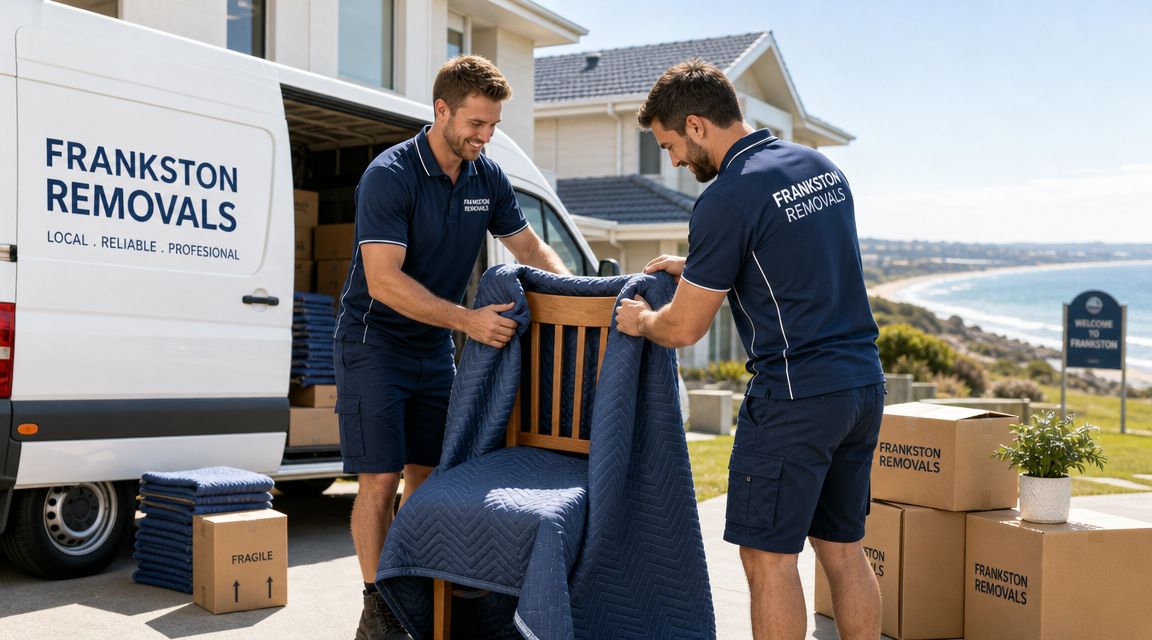
You’re probably staring at a half-packed house, a spreadsheet of quotes, and a growing suspicion that every mover says the same thing. Fast. Careful. Affordable. Then the critical questions emerge. Does that hourly rate include travel? What happens if your sofa won’t fit through the stairwell? Are they bringing blankets, tools, and enough hands, or are you paying extra on the day?
That’s the problem with hiring furniture removalists in Frankston. The market is crowded, the headline prices look simple, and the final invoice often isn’t. If you want a move that runs properly, stop shopping by hourly rate alone. Start by understanding what a professional removalist does, what a quote should include, and which details in Frankston homes tend to trigger extra charges.
Table of Contents
- Planning Your Frankston Move The Smart Way
- What to Expect From Professional Movers
- Decoding Quotes and Finding Fair Pricing
- How to Choose and Book Your Removalist
- A Practical Guide to Moving Day Success
- Why Local Expertise and Transparency Matter
- Your Frankston Removalist Questions Answered
Planning Your Frankston Move The Smart Way
The truck is booked for 8:00 am. By 8:20, the crew is asking about the stairwell, the driveway slope, and the mattress you forgot to mention. That is how a cheap-looking quote turns into a long, expensive day.
Smart planning starts before you ask for a price. Your goal is to define the move clearly enough that a removalist has very little room to add time, labour, or access charges later. In Frankston, that matters more than people expect. Beachside homes, apartment access, narrow streets, steep drives, and bulky family furniture all change what the job costs.
The Australian Taxation Office classifies furniture removalists as businesses that remove and transport furniture for residential and commercial customers, and notes they may also pack goods and provide interstate transportation and storage, with that industry benchmark page updated on 16 March 2026. Use that as your baseline. If a company presents itself like hired muscle with a truck and avoids specifics about handling, packing, or storage options, keep looking.
Build a move brief before you request quotes
Do not call three movers and say, “I’ve got a two-bedroom place.” That description is useless. It leads to vague estimates, and vague estimates usually favour the company, not you.
Write down the details that affect labour, truck space, and total time:
- Property type: House, unit, apartment, townhouse, office.
- Access conditions: Stairs, lifts, tight corners, long carries, difficult parking, narrow streets.
- Heavy or awkward items: Fridges, mattresses, bed frames, dining tables, wardrobes, gym equipment, artwork.
- Extra services: Packing, unpacking, dismantling, reassembly, storage, rubbish removal.
- Timing constraints: Settlement deadlines, building booking windows, key handover times.
If you want one place to organise it, use this moving planner checklist. A clear brief gets you a better quote because the removalist is pricing the actual job, not guessing.
One item gets missed often: mattresses. If disposal or separate transport is part of the plan, read this complete guide to seamless mattress removal before you book anything. It helps you avoid paying removalist rates for a task that may need a different service.
Plan around cost drivers, not just the hourly rate
Clients get fixated on the hourly number. That is the wrong place to start.
A move with easy driveway access and standard furniture can be straightforward. A move from a third-floor walk-up with oversized pieces and poor parking can blow out fast, even with a lower advertised rate. The question is simple: what conditions will add time to this job?
Focus on the factors that usually push Frankston moving costs up:
- long carry distance from door to truck
- stair-only access
- difficult parking or traffic exposure
- furniture that needs dismantling
- fragile items needing more wrapping and slower handling
- split pickups, storage stops, or key-time deadlines
Choose your priority before you compare companies
Some moves are price-led. Others should be risk-led.
If you are moving basic furniture from one easy-access property to another, a competitive rate may be enough. If you have tight access, expensive items, or fixed settlement timing, quote clarity matters more than saving a small amount on paper. Paying for a team that plans properly is usually cheaper than paying for delays, damage, and extra hours on the day.
That is the smart way to plan a Frankston move. Get the scope right first. Then compare quotes based on what is included.
What to Expect From Professional Movers
A professional mover does more than load boxes fast. They reduce friction in the job. That means fewer jams in hallways, fewer scratched walls, fewer loose screws in a sandwich bag, and fewer arguments about what was or wasn’t included.

The baseline service isn’t just transport
If a company only talks about truck size and hourly rate, that’s a warning sign. Good movers ask about access, item types, fragile pieces, and whether furniture needs to come apart before they even discuss scheduling.
At minimum, expect these service elements:
- Pre-move assessment: They should ask enough questions to understand the job, not throw out a rough price after hearing “three-bedroom house”.
- Loading method: Heavy items first, balanced truck placement, and separation for fragile pieces.
- Basic protective handling: Blankets, wrap, straps, and proper stacking.
- Unloading with room placement: Not a pile in the garage unless that’s what you requested.
If they don’t ask where difficult items are going at the destination, they’re planning only half the move.
Packing and protection separate pros from amateurs
Local service guidance in Frankston makes this clear. Professional removalists routinely disassemble large furniture to reduce the risk of damage to walls and doorways, using heavy-duty blankets and specialised packing materials to protect items during transit and reassemble them correctly at the destination, as noted on this Frankston removalist service page.
That’s not a luxury add-on. It’s how careful movers stop a manageable job turning into chipped plaster, torn fabric, and an extra hour wrestling a bedhead around a tight corner.
Here’s where real value shows up:
| Service | Why it matters |
|---|---|
| Furniture dismantling | Reduces collision points and makes bulky items safer to move |
| Labelling hardware | Stops reassembly delays and missing fittings |
| Blankets and wrap | Protects timber, glass, upholstery, and painted surfaces |
| Reassembly | Gets the home functional faster, especially bedrooms and dining areas |
If a mover says, “We’ll sort it out on the day,” you should assume the day will take longer and cost more.
Special items need their own discussion. Mattresses, framed artwork, antiques, and awkward one-off pieces often need handling plans that differ from standard boxes and furniture. If you’re dealing with mattress disposal or replacement as part of the move, this complete guide to seamless mattress removal is worth reading before you book.
Good movers also tell you what they won’t do casually. They won’t drag a heavy buffet across timber floors without protection. They won’t guess whether a fridge is ready to move. They won’t promise a piano move unless they’re equipped for it. That sort of restraint is a good sign. It means they understand risk.
Decoding Quotes and Finding Fair Pricing
Two quotes land in your inbox for the same Frankston move. One says $130 an hour. The other looks higher. By the end of the day, the cheaper booking can still cost more if travel time, stairs, long carry distance, overtime, and furniture handling were never spelled out.

Why the hourly rate is only part of the price
One local comparison page lists removalists starting from $130.00 per hour with an average of $156.83 per hour, and estimates a 3-bedroom house move at about $1,113.49 on average on this Frankston removalist pricing page. Useful benchmark. Poor buying strategy.
Those numbers show how sensitive moving cost is to time. A crew that loads badly, arrives underprepared, or wastes half an hour working out access can wipe out any apparent saving in the hourly rate. Frankston jobs are especially prone to this because older homes, tight driveways, apartment access, and beachside streets can slow a truck down fast.
Ask a better question: what is included from first departure to final item placed inside?
That is the number that matters.
What should be written into a quote
A proper quote needs to break the job into chargeable parts, not hide them inside vague wording. If it does not do that, you are buying uncertainty.
Check for these points in writing:
- Travel charging: Are you paying depot to depot, one-way travel, or labour only once the crew arrives?
- Minimum hours: Is there a booking minimum, and does it apply before or after travel time is added?
- Access costs: Are stairs, lift waiting time, steep driveways, or long walks from truck to front door already allowed for?
- Handling of bulky items: Are dismantling, reassembly, and awkward pieces included or charged as extras?
- Protective materials: Are blankets, ties, trolley use, and basic wrapping part of the rate?
- Overtime rules: What happens if the job runs past the estimate?
- Public holiday or weekend loading: Does the rate change based on the day?
- Cancellation or date-change fees: What will you be charged if settlement shifts or keys are delayed?
Frankston clients get caught most often on access and travel. A quote can look clean right up until someone mentions three flights of stairs, no loading zone, or a unit block with a long internal corridor. Then the price changes.
Plain rule: If exclusions are missing, the quote is incomplete.
A useful cross-check is to compare the mover’s wording against pricing logic used to create winning moving quotes. It helps you spot whether the estimate was built from actual labour and access factors, or just thrown together to win the booking.
You should also test the number yourself before you commit. A removalist cost calculator for estimating labour and truck time will not replace a proper inspection, but it will show whether a quote is broadly believable for the size of your move.
The quote formats worth accepting
Three quote styles are common:
- Fixed price: Best for certainty, provided the inventory and access details are accurate.
- Hourly with a written scope: Acceptable if the quote clearly states travel, minimum hours, and extra-charge triggers.
- Capped estimate: Good middle ground. You know the ceiling, and the mover still has room to handle minor surprises.
The weak option is a loose hourly figure given over the phone with no scope, no exclusions, and no written confirmation. That is how final invoices drift.
My advice is simple. Pay for clarity before you pay for labour. In Frankston, the fair quote is rarely the shortest one. It is the one that tells you what your move will cost once the awkward details are counted.
How to Choose and Book Your Removalist
You get a quote on Tuesday, pay a deposit on Wednesday, and by moving day the price has grown legs. The truck is smaller than expected. Travel time suddenly counts both ways. The crew says the stairs were not included. That is how people get burned.

Frankston has plenty of operators. That makes choice look easy, but it also makes lazy booking expensive. Your job is not to find a friendly voice on the phone. Your job is to find a business that can state, in writing, what your move includes, what can change the price, and what happens if the day runs long.
Shortlist the operator, then test the quote
Contact three to five removalists. Ask the same questions each time. If you let every company control the conversation, you end up comparing charm, not competence.
Use this filter:
-
Can they repeat your job back accurately?
A good office will confirm the property type, access, big items, timing, and any awkward details without you dragging it out of them. -
Will they send a written quote with terms?
If pricing only exists in a text message or a phone call, you have weak protection once extra charges appear. -
Can they explain what triggers added cost?
Ask directly about travel time, stair fees, long carries, waiting time, bulky items, dismantling, and weekend loading. If the answer is slippery, move on. -
Are their business details easy to verify?
Check the ABN, insurance position, and terms before paying a deposit. Legitimate operators do not act offended when asked.
Book the mover whose paperwork matches the real job
A booking fails when the office prices a generic house and the crew turns up to a very specific one. Frankston moves often blow out on access. Tight driveways, apartment lifts, long walks from street parking, and steep blocks all affect time. If that detail is missing from the booking file, you usually pay for the gap.
Before you confirm, make sure the quote reflects these points:
- Access at both ends, including stairs, lift access, driveway limits, parking distance, and any building rules.
- Large or awkward items, such as stone tops, gym gear, oversized fridges, glass cabinets, and furniture that needs dismantling.
- Time restrictions, including settlement deadlines, key collection, strata windows, and storage cut-off times.
- Charge rules, especially deposits, cancellation terms, overtime, and what happens if the crew is delayed.
One strong test is simple. Ask the mover what would make your final invoice higher than the quote. A serious operator will answer clearly and fast. A weak one will hide behind vague wording and broad disclaimers.
Read every line before you book. If the mover mentions possible extras but does not tie them to your property, ask for the quote to be amended. Get the exclusions listed. Get the truck size confirmed. Get arrival windows in writing. Use a moving day checklist for furniture removals so the booking details, site access, and special items are documented before the deposit is paid.
One more thing. Ask what protection the crew uses inside the home. Careful movers should be able to explain how they handle blankets, trolleys, doorways, and floors. If you want to reduce the risk before the team arrives, these Lucas Furniture & Mattress floor solutions are worth reviewing.
Book early if your date is fixed. The better crews do not stay open for long, especially around settlement-heavy weekends and school holiday periods. Last-minute bookings usually leave you choosing from whoever is free, not whoever is organised.
A Practical Guide to Moving Day Success
A well-booked mover can still have a bad day if the home isn’t ready. You don’t need to do the heavy lifting, but you do need to remove the avoidable delays. Every minute the crew spends waiting, searching, or clearing pathways is a minute you’re paying for.
Set the house up for speed
Walk both properties before the truck arrives. Look for anything that slows movement or creates risk.
Focus on these points:
- Clear walkways: Remove shoes, baskets, pot plants, and loose rugs from entry paths.
- Reserve access: If possible, secure the closest legal parking spot for the truck.
- Protect problem surfaces: Timber, tiles, and polished concrete need thought before furniture starts moving.
- Separate non-move items: Keep passports, chargers, jewellery, keys, medications, and paperwork with you.
If you’ve got floors you’re worried about, these Lucas Furniture & Mattress floor solutions offer practical ways to reduce scratches and pressure damage before furniture is shifted through the house.
Pack for unloading, not just loading
Labeling often lacks precision. “Kitchen” on ten boxes doesn’t help much when five belong in the pantry, three contain fragile glassware, and two need immediate unpacking.
Use a better system:
- Label by room and priority: Main bedroom, kitchen bench items, study cables, bathroom first-use.
- Create one essentials box: Kettle, mugs, toiletries, chargers, medication, toilet paper, basic tools.
- Bag hardware to the item: Tape screws and fittings to the bed frame or table they belong to.
- Finish appliance prep early: Defrost, empty, wipe down, and dry where needed before moving day.
A moving day checklist for home relocations helps keep those last-day jobs from slipping through. That’s useful because moving day errors usually happen in the final rush, not in the planning stage.
Keep pets and small children out of high-traffic zones if you can. Movers work best when the path is predictable. Constant stops, door opening, and redirection drag the job out and raise the chance of accidents.
The fastest move isn’t the one with the strongest crew. It’s the one with the fewest avoidable interruptions.
Why Local Expertise and Transparency Matter
Settlement is booked, the keys are changing hands, and the quote that looked cheap suddenly grows legs. Extra time for stairs. Extra charges for access. A surcharge because the truck cannot park close enough. That is why local knowledge and clear quoting matter so much in Frankston.
The two problems behind most bad moving stories are simple. The crew handles the job poorly, or the quote hides the actual cost.
A capable local removalist knows the difference between a straightforward house move and a job that will blow out because of steep driveways, tight unit access, beachside traffic, limited parking, or bulky furniture that needs dismantling before it leaves the room. They should raise those issues before you book, not after the truck is loaded and the clock is running.

Treat the quote as part of the service. If the quote is vague, the move usually will be too.
Ask for plain-English detail. You want inclusions, exclusions, travel time, truck size, crew size, access assumptions, and any likely extra charges spelled out clearly. You also want handling requirements covered upfront, especially for packing, wrapping, dismantling, reassembly, fragile pieces, and anything heavy or awkward. If those details only appear after you commit, you are already on the back foot.
Local expertise saves money because it cuts delays you should never have paid for in the first place. Transparency saves arguments because both sides know what the job includes before moving day starts. That is the standard to hold any Frankston removalist to.
Your Frankston Removalist Questions Answered
Do removalists automatically insure everything?
Don’t assume that. Ask exactly what protection applies during handling and transit, and ask for it in writing. A removalist may have business insurance, but that doesn’t automatically mean every item is covered in the way you expect. If you have high-value, delicate, or sentimental items, raise them before booking, not while they’re being loaded.
How early should I book furniture removalists in Frankston?
Book as soon as your date is stable, especially if your move falls on a weekend, near settlement, or during a generally busy period. The best-organised operators don’t stay open for long. Early booking gives you better choice, more time to clarify the quote, and more room to fix inventory errors before the move.
What items commonly can’t go on the truck?
Ask the company directly because policies differ, but problem categories usually include hazardous or flammable goods, some chemicals, and certain items that create safety or compliance issues. Plants can also be an issue with some operators. Don’t leave this to assumption. Build a separate list of restricted items and check it before moving day.
If you want a mover that treats the quote as seriously as the lifting, Emmanuel Transport is worth contacting. They offer transparent upfront quotes, experienced help with packing, wrapping, dismantling and reassembly, and they’re available 7 days a week. If your priority is avoiding hidden costs and getting a clear plan before the truck arrives, that’s the standard you should be looking for.
