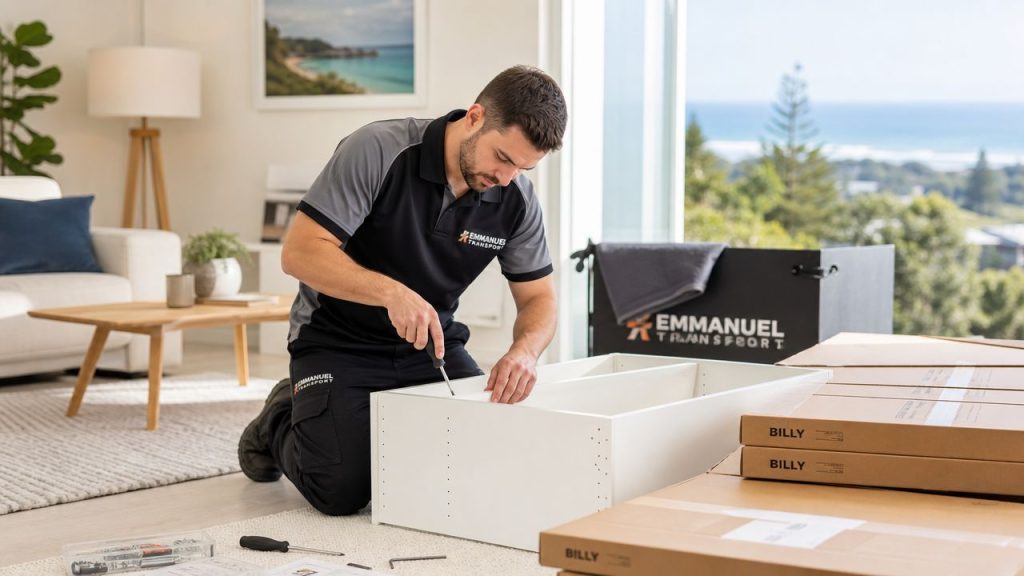

Moving house is often cited as one of life's most stressful events, but with meticulous planning, it can be a seamless transition into your next chapter. This comprehensive house moving checklist Australia is designed to guide you through every stage of the process, from the initial decision to move to the moment you settle into your new home. We've broken down the entire journey into 10 manageable, chronological steps tailored specifically for the Australian context, covering everything from engaging licensed removalists to organising utility connections.
Whether you're relocating from a high-rise apartment in Sydney, a family home in a Melbourne suburb, or undertaking a regional move, this guide provides the structure you need. Forget the last-minute panic and overlooked details. Our listicle offers actionable insights and practical tips to keep you organised, on schedule, and firmly in control of the entire operation. It details how to properly declutter your possessions, secure the necessary packing materials, and ensure a smooth handover of your old property.
This checklist is your strategic roadmap, helping you anticipate challenges and manage tasks efficiently. You will learn precisely what to do and when to do it, from obtaining quotes from professional removalist services weeks in advance to preparing an essentials box for your first night. Let's transform your move from a daunting task into a well-executed project, ensuring nothing is left to chance and your relocation is as stress-free as possible.
1. Obtain Free Moving Quotes from Licensed Removalists
Kicking off your house moving checklist for Australia starts with a crucial financial step: gathering multiple, no-obligation quotes from professional removalist services. This isn't just about finding the cheapest price; it's about securing a transparent, detailed cost breakdown to budget accurately and avoid unexpected charges on moving day. Reputable companies like Emmanuel Transport and other Perth-based removalists offer free, comprehensive quotes that itemise all potential expenses.
Why This is Your First Step
Securing quotes early sets the entire financial foundation for your move. It allows you to compare services, understand market rates, and allocate funds appropriately for packing, transport, and insurance. Under Australian Consumer Law, licensed removalists are required to provide clear, written quotes, giving you a legal safety net and peace of mind.
For example, a family in Mount Hawthorn planning a move from their 4-bedroom home should contact at least three local removalists. By providing the same detailed inventory (including tricky items like a piano or large pot plants), they can compare the quotes like-for-like, assessing not just the total cost but also the inclusions, such as packing materials and transit insurance.
Actionable Tips for Accurate Quotes
To ensure the quotes you receive are precise and fair, follow these steps:
- Be Detailed: Provide an accurate inventory of your belongings. Mention the number of boxes, key furniture pieces, and any specialty items. The more detail you give, the more accurate your quote will be.
- Ask About Inclusions: Specifically ask if the price includes GST, packing materials (boxes, tape, wrapping), fuel levies, and insurance coverage.
- Verify Credentials: Confirm the removalist is fully insured and holds the necessary licences. This protects you if any of your belongings are damaged during transit.
- Request an Itemised Breakdown: A professional quote should separate costs for labour (per hour), truck fees, and any additional services like packing or furniture disassembly.
2. Declutter and Inventory Your Possessions
Once you have initial quotes, the next pivotal step in your house moving checklist for Australia is to conduct a thorough audit of your possessions. This involves decluttering items you no longer need and creating a detailed inventory of what remains. This process directly reduces moving costs by minimising the volume of goods to be transported and provides an essential record for insurance purposes.

Why This is Your Second Step
Decluttering and inventorying streamlines every subsequent stage of your move. By reducing the number of items, you lower your removalist costs, simplify the packing process, and start fresh in your new home. For instance, a Perth family downsizing from a 5-bedroom house to a 3-bedroom apartment could declutter 40% of their belongings, potentially saving thousands on their final moving bill. A detailed inventory is also crucial for companies like Emmanuel Transport to plan for specialty items, ensuring valuables receive the correct handling.
As you begin to sort through your belongings, a common but often daunting task is decluttering your wardrobe. For an in-depth approach, consult this guide on Decluttering Your Wardrobe: The Ultimate Guide to Closet Organization for practical, step-by-step advice.
Actionable Tips for Decluttering and Inventory
To manage this task efficiently, implement a clear system from the start:
- Use the Four-Box Method: Set up four distinct areas or boxes labelled: Keep, Sell, Donate, and Discard. Tackle one room at a time to avoid feeling overwhelmed.
- Create a Digital Inventory: Use a spreadsheet or a home inventory app to catalogue your 'Keep' items. Note the item's name, condition, and estimated value. This is vital for insurance claims.
- Photograph Valuables: Take clear photos of antiques, electronics, and other high-value items. These images serve as a visual record of their pre-move condition.
- Schedule Pick-Ups Early: Contact Australian charities like the Salvos or Vinnies well in advance to schedule a collection for your donated goods.
- Sell Items Online: List quality items on platforms like Facebook Marketplace or Gumtree at least 4-6 weeks before your moving date to allow enough time for them to sell.
3. Book Your Removalist Service Early
Once you have compared quotes and chosen your preferred removalist, the next critical task in your house moving checklist for Australia is to lock in your booking. Securing your moving date well in advance is essential, as reputable companies like Emmanuel Transport and other Perth removalists operate on a first-come, first-served basis. Booking early guarantees their availability, especially during peak seasons, and ensures you get your preferred time slot.
Why This is a Crucial Step
Leaving your booking to the last minute risks not only missing out on your chosen company but also being forced into a less desirable moving day or time. Early confirmation allows the removalist to allocate the right team, truck, and resources specifically for your job, leading to a smoother, more organised relocation. It also gives you ample time to coordinate other key moving tasks around a confirmed date.
For example, a student planning a move from a Joondalup apartment to Rockingham at the end of a semester should aim to book their slot two months early. This secures a coveted Saturday spot, avoiding clashes with final exams or weekday work commitments and preventing the stress of scrambling for a last-minute, potentially less reliable service.
Actionable Tips for Securing Your Booking
To ensure your booking is confirmed correctly and without any ambiguity, follow these steps:
- Book Well in Advance: Aim to book at least 4-8 weeks before your moving date, particularly if you are moving on a weekend or at the end of the month.
- Confirm All Details in Writing: Get a written confirmation or contract that clearly outlines the date, arrival time window, agreed-upon price, and scope of services.
- Clarify Payment Terms: Ask when the deposit and final payment are due and what payment methods are accepted. This avoids any financial surprises on moving day.
- Have Backup Dates: While you may have a preferred date, having one or two alternative dates can provide flexibility and may even offer cost savings if you can move on a less busy day.
- Ask About Postponement Policies: Understand the company's policy regarding changes or cancellations. Ask if your deposit is protected or transferable if your settlement date shifts unexpectedly.
4. Arrange Parking and Access for Moving Day
Often overlooked until the last minute, organising adequate parking and clear access at both your current and new properties is a pivotal task in any house moving checklist for Australia. This step involves ensuring the removalist truck can get as close as possible to your home, which significantly speeds up loading and unloading, reduces labour costs, and minimises the risk of damage to your belongings over long distances.
Why This is a Critical Pre-Move Step
Failing to plan for truck access can lead to costly delays and major frustrations on moving day. Removalists bill by the hour, and if they have to park down the street and carry heavy furniture over a long distance, your final bill will inflate. Proactive planning prevents these logistical nightmares, ensuring a smooth, efficient, and cost-effective transition.
For instance, a resident moving from a narrow street in Mount Hawthorn must secure a parking permit from the local council to reserve a spot directly out front. Similarly, someone moving into a Rockingham apartment complex needs to coordinate with their strata or building management to book the loading bay and service elevator, preventing clashes with other residents and ensuring a clear path for the movers.
Actionable Tips for Securing Access
To guarantee a hassle-free moving day, follow these access and parking preparation tips:
- Contact Local Councils Early: Reach out to the relevant councils for both your old and new addresses at least 3-4 weeks in advance to inquire about and apply for any necessary parking permits.
- Communicate with Your Removalist: Provide your moving company with photos, street views, and detailed descriptions of access points at both properties. Mention any potential obstacles like low-hanging branches, narrow gates, or steep driveways.
- Coordinate with Body Corporate: If moving in or out of an apartment or unit complex, confirm loading zone availability and lift booking procedures with the body corporate or building manager.
- Inform Your Neighbours: Give your neighbours at both locations a friendly heads-up at least a week in advance about the moving date and the presence of a large truck to minimise any inconvenience.
5. Purchase or Arrange Packing Materials and Supplies
Securing the right packing materials is fundamental to protecting your possessions during transit. This step in your house moving checklist for Australia involves sourcing quality boxes, strong tape, bubble wrap, packing paper, and any specialty materials required for fragile or high-value items. Using appropriate supplies prevents breakage and ensures everything arrives at your new home in the condition it left.

Why This is a Foundational Step
Investing in proper packing materials is a non-negotiable part of a successful move. It provides the first line of defence against damage from bumps, vibrations, and shifting during transport. Professional removalists like Emmanuel Transport often recommend using materials that meet Australian Standards to ensure durability and reliability, especially for protecting delicate antiques or sensitive electronics.
For instance, a Perth family moving valuable artwork and collectibles should purchase museum-quality, acid-free packing paper and specialty boxes. Similarly, a business relocating its office would benefit from flat-pack wardrobe boxes for uniforms and specialised packaging for IT equipment to minimise downtime and protect assets.
Actionable Tips for Sourcing Supplies
To gather the right materials without overspending or running short, follow these practical steps:
- Plan and Purchase Early: Start sourcing your supplies 3-4 weeks before moving day. This gives you ample time to find what you need and begin packing non-essential items.
- Invest in Quality: While free boxes from supermarkets can be useful for non-breakables, invest in new, sturdy moving boxes for heavy or fragile items. Also, purchase high-quality packing tape and permanent markers for secure sealing and clear labelling.
- Ask Your Removalist: Your chosen moving company can recommend the best materials for specific items. They can often supply professional-grade boxes, paper, and bubble wrap directly.
- Consider Eco-Friendly Options: Look into renting reusable plastic moving crates. This is a sustainable alternative to cardboard that reduces waste and provides excellent protection for your belongings.
6. Update Address with Essential Services and Organizations
A crucial administrative task in any Australian house moving checklist is updating your address with all essential services and organisations. This step is about more than just redirecting mail; it’s about ensuring continuity of services, preventing identity theft, and maintaining your legal and financial obligations. Failing to notify key parties can lead to missed bills, lapsed insurance policies, and undelivered government correspondence, creating significant stress after you’ve settled in.
Why This is a Critical Pre-Move Task
Proactively managing your address change prevents a cascade of problems. From your bank to Medicare, numerous entities rely on your current address for billing, communication, and legal notices. Updating these details 4-6 weeks before you move ensures a seamless transition, safeguarding your financial accounts, health services, and even your driver's licence validity. This organisational step is fundamental to a smooth and well-managed relocation.
For instance, a business relocating from Subiaco to a new office in West Perth must notify not only its clients and suppliers but also the Australian Taxation Office (ATO), its bank, and utility providers. By doing this ahead of time, they ensure invoices are sent to the correct location and essential services like internet and electricity are active from day one, avoiding costly operational downtime.
Actionable Tips for a Seamless Address Update
To manage this process efficiently and avoid missing anyone important, follow these steps:
- Create a Master List: Begin by creating a comprehensive checklist of every organisation that has your address. Group them into categories: government (ATO, Centrelink, Medicare), financial (banks, superannuation), utilities, insurance, health (doctor, dentist), and subscriptions.
- Set Up Mail Redirection: Arrange a mail redirection service with Australia Post. Opt for a 6 or 12-month period to catch any mail from organisations you may have forgotten to notify directly.
- Prioritise Government Agencies: Update your details with federal and state bodies like the ATO, Australian Electoral Commission (AEC), and your state’s road and traffic authority to keep your licence and registration current.
- Notify Financial and Insurance Providers: Contact your banks, credit card companies, super fund, and all insurance providers (health, car, home) immediately. An incorrect address can invalidate your insurance policies.
7. Plan and Organize a Disposal Strategy for Unwanted Items
A critical component of any effective house moving checklist in Australia is creating a comprehensive strategy for handling items you’re not taking with you. This isn't just about throwing things away; it's a strategic process of decluttering to reduce moving costs, simplify packing, and ensure responsible disposal. By categorising items for selling, donating, recycling, or general waste well in advance, you can streamline your entire relocation.
Why This is an Essential Step
Organising a disposal strategy early significantly lowers your removalist quote by reducing the volume and weight of your belongings. It also prevents the last-minute stress of dealing with unwanted clutter on moving day. Furthermore, adhering to local council guidelines, such as Perth's specific e-waste and hard waste collection protocols, ensures you dispose of items legally and in an environmentally conscious manner.
For example, a family in Morley preparing to downsize sold their bulky outdoor setting and old exercise equipment on Facebook Marketplace six weeks before their move. This not only generated extra cash but also reduced their moving costs by nearly 25%, as the removalist truck size could be smaller. Similarly, an apartment dweller in Subiaco donated duplicate kitchenware and old linens to a local Salvos, freeing up valuable space in their new home.
Actionable Tips for an Effective Disposal Strategy
To manage your unwanted items efficiently and ethically, follow these structured steps:
- Sell Early: List valuable items like furniture, working electronics, and tools on Gumtree or Facebook Marketplace 8 to 10 weeks before your move. Price them competitively to ensure a quick sale.
- Schedule Donations: Contact local charities such as Vinnies or Good Sammy to see if they offer a pickup service for larger furniture items or bulk donations. Remember to document these for potential tax deductions.
- Check Council Collections: Visit your local council's website (e.g., City of Perth, City of Stirling) to find dates for upcoming hard waste collections. This is ideal for disposing of broken furniture and other large, non-recyclable items.
- Manage E-Waste: Set aside old computers, TVs, and phones for specialised e-waste recycling services. Many councils and retailers offer free drop-off points to prevent hazardous materials from entering landfills.
- Clear Unsold Items: Any items that haven't sold one or two weeks before your move should be donated or disposed of to avoid moving them.
8. Prepare a Moving Day Supply Kit and Essentials Box
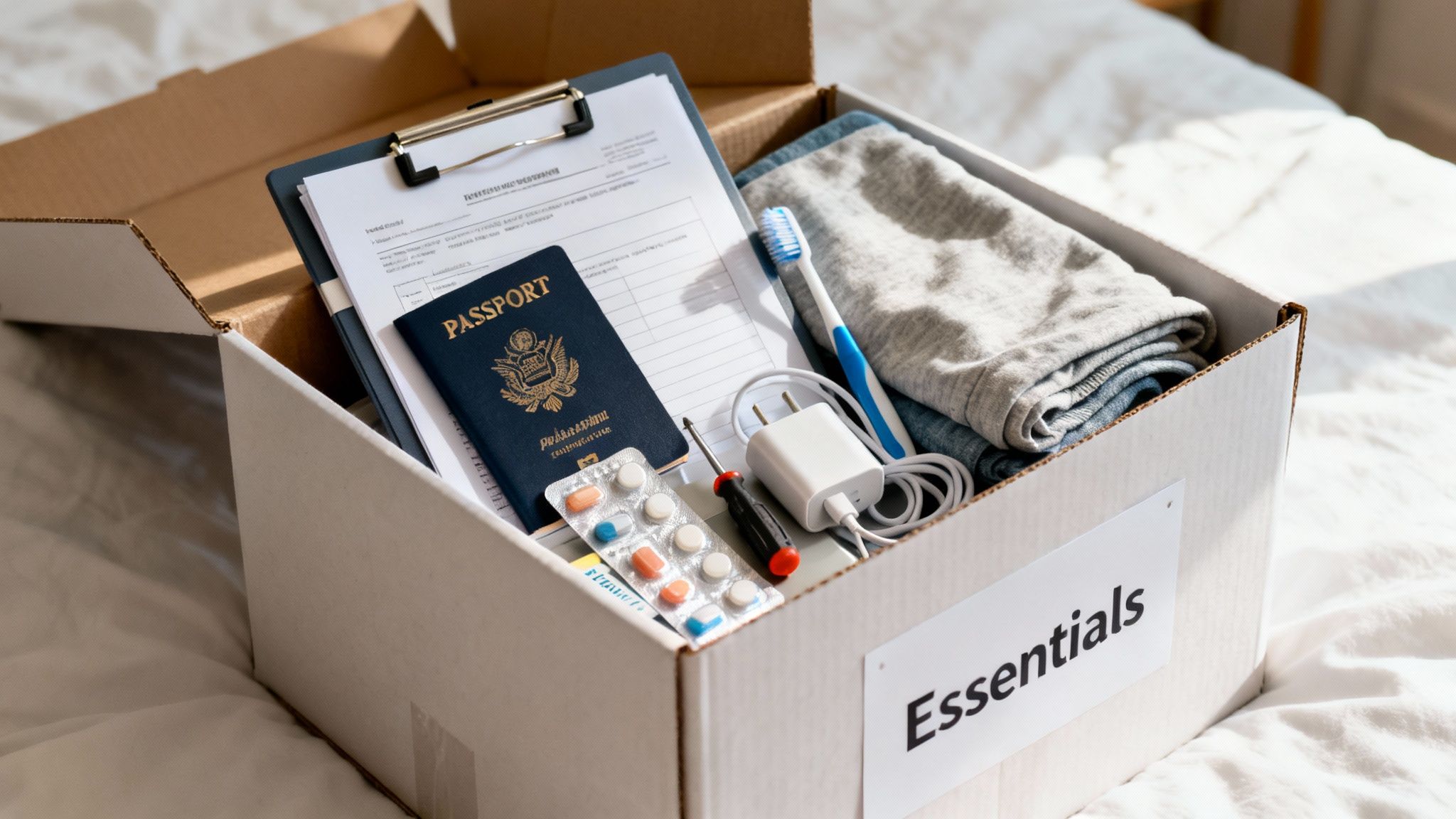
Amidst the chaos of moving, assembling a dedicated moving day essentials kit is a non-negotiable step. This task involves packing a separate, clearly marked box with all the critical items you'll need for the first 24 hours in your new home. This kit prevents the immense frustration of rummaging through countless sealed boxes for simple necessities like phone chargers, medication, or a coffee mug on your first morning.
Why This is Your Immediate Priority
On moving day, once the removalist truck departs, your essentials box becomes your survival kit. It bridges the gap between arriving at an empty house and having everything unpacked and organised. It allows you to function comfortably, make a meal, have a shower, and get a good night's sleep without needing to start the main unpacking process immediately.
For instance, a family moving into a new Mount Hawthorn home should pack an essentials box with toiletries, a change of clothes for everyone, basic bedding, and key kitchen items like a kettle, tea bags, and mugs. This small act of preparation turns a potentially stressful first night into a comfortable and manageable experience, making it a vital part of any comprehensive house moving checklist for Australia.
Actionable Tips for Packing Your Essentials Box
To assemble a truly useful kit, focus on immediate needs and easy access:
- Label it Clearly: Mark the box on all sides with "ESSENTIALS – LOAD LAST, UNLOAD FIRST". This instructs your removalists to place it in an accessible spot.
- Keep Valuables Separate: While the essentials box travels with you, important documents (passports, birth certificates), jewellery, and laptops should be kept in a personal bag you carry.
- Pack for the First 24 Hours: Include basic toiletries, prescription medications, phone chargers, a set of clean clothes and pyjamas for each family member, and clean bedding.
- Include Basic Tools: A small tool kit with a screwdriver, Allen keys, and a utility knife will be invaluable for assembling furniture and opening boxes.
- Transport It Personally: Never let your essentials box go on the removal truck. Keep it with you in your personal vehicle to guarantee you have it the moment you arrive.
9. Arrange Utilities Connection and Disconnection
A critical and often time-sensitive task on your house moving checklist for Australia is managing the seamless transfer of your essential services. This involves coordinating the disconnection of utilities at your old home and the simultaneous connection at your new one. Ensuring your electricity, gas, water, and internet are ready from the moment you arrive prevents frustrating service gaps and potential billing errors.
Why This is a Critical Step
Properly managing your utilities is fundamental to a comfortable and functional transition. Leaving this too late can result in days without hot water, power, or internet, significantly disrupting your settling-in period. In Australia, providers like Synergy in WA or AGL in the eastern states typically require at least a few business days' notice, but giving them several weeks is the safest approach to guarantee your services are active on moving day and you aren't paying for utilities at a property you've already vacated.
For instance, a family moving from Joondalup to Rockingham should notify their utility providers at least four weeks in advance. They must schedule a final meter reading for their last day in the old house and confirm the connection date for their new property, ensuring a smooth, uninterrupted transfer of all essential services.
Actionable Tips for a Smooth Utility Transfer
To avoid any last-minute stress and ensure everything is switched on when you need it, follow these steps:
- Provide Ample Notice: Contact each utility provider (electricity, gas, water, internet) at least three to four weeks before your move.
- Schedule Final Readings: Arrange for a final meter reading at your old property on the day you hand over the keys. Take a time-stamped photo of the meters for your records.
- Confirm Connection Dates: Request written confirmation of both your disconnection and new connection dates and times from each provider.
- Prioritise the Internet: If working from home, arrange for your NBN or other internet service to be connected a day or two before you move in, if possible, to ensure operational continuity.
- Clarify Rental Responsibilities: If you are renting, confirm with your property manager or landlord who is responsible for arranging connections and disconnections to avoid doubling up or missing a step.
10. Inspect, Clean, and Hand Over Your Previous Property
The final step at your old residence is a meticulous handover process, crucial for both renters and sellers in Australia. This involves a thorough inspection and professional-level cleaning to meet legal obligations, secure your bond return, or fulfil sale contract conditions. It’s a non-negotiable part of any comprehensive house moving checklist in Australia, ensuring a smooth transition and finalising your responsibilities.
Why This is Your Final Step
For renters, the end-of-lease clean is directly linked to the return of your security bond, which is protected by state-based residential tenancy authorities like NSW Fair Trading or Consumer Affairs Victoria. Failure to meet the property manager's standards can lead to deductions or complete forfeiture of your bond. For sellers, leaving the property in an immaculate condition is a professional courtesy and often a contractual requirement for "vacant possession".
Consider a Perth tenant moving out of a two-bedroom apartment. They book a professional end-of-lease clean two weeks prior to their move-out date. After the property is empty, the cleaners complete a deep clean, providing an itemised receipt. The tenant then takes detailed photos before the final inspection, leading to a full and prompt bond return from their property manager.
Actionable Tips for a Flawless Handover
To ensure a smooth handover and protect your financial interests, follow these critical steps:
- Book Cleaners in Advance: Schedule professional end-of-lease cleaners at least one to two weeks before your moving date to secure a booking right after your belongings are gone.
- Document Everything: After the property is empty and cleaned, take timestamped photos or a video walkthrough as evidence of its condition. Note any pre-existing damage you documented on your initial condition report.
- Be Thorough: Check every cupboard, drawer, and storage area for forgotten items. Remove all nails and hooks, fill the holes with putty, and touch up the paint if required.
- Deep Clean Appliances: Don’t forget to clean inside the oven, microwave, refrigerator, and dishwasher. These are common areas checked during inspections.
- Schedule a Final Walkthrough: Arrange to be present for the final inspection with your landlord or real estate agent to address any potential issues on the spot. If you've sold your home, ensuring it's pristine is a key part of the process; for more on presenting a property perfectly, consult this ultimate guide to home staging.
10-Point Australia House Moving Checklist Comparison
| Task / Item | Implementation complexity 🔄 | Resource requirements ⚡ | Expected outcomes 📊 | Ideal use cases 💡 | Key advantages ⭐ |
|---|---|---|---|---|---|
| Obtain Free Moving Quotes from Licensed Removalists | 🔄 Low–Moderate — contact multiple providers and provide inventory | ⚡ Low — time, phone/internet | 📊 Clear cost comparisons; fewer hidden fees | 💡 All moves when budgeting or comparing services | ⭐ Transparency, informed budgeting, professional assessment |
| Declutter and Inventory Your Possessions | 🔄 High — room-by-room sorting and cataloguing | ⚡ Moderate–High — time, storage, apps, packing supplies | 📊 Reduced volume/costs; thorough insurance records | 💡 Downsizing, long-distance moves, antique collections | ⭐ Significant cost savings, organized move, better claims evidence |
| Book Your Removalist Service Early | 🔄 Low — scheduling, deposit and confirmations | ⚡ Low — deposit, documentation | 📊 Secured availability; potential discounts | 💡 Peak-season moves, weekend slots, large relocations | ⭐ Reduced stress, guaranteed slots, better logistics planning |
| Arrange Parking and Access for Moving Day | 🔄 Moderate — council permits, strata or neighbor coordination | ⚡ Moderate — permit fees, time for applications, photos | 📊 Faster loading/unloading; fewer on-day delays | 💡 Urban streets, apartment complexes, narrow-access homes | ⭐ Avoids fines/delays, improves loading efficiency and safety |
| Purchase or Arrange Packing Materials and Supplies | 🔄 Low–Moderate — source correct materials and sizes | ⚡ Moderate — cost of materials, storage space | 📊 Lower damage risk; faster packing/unpacking | 💡 Fragile/high-value moves, full-house relocations | ⭐ Protects belongings, saves replacement costs, speeds unpacking |
| Update Address with Essential Services and Organizations | 🔄 Moderate — multiple contacts and follow-ups | ⚡ Low–Moderate — time, online forms, small fees | 📊 Continuous services; reduced billing and identity risks | 💡 Any move, especially rentals and ongoing services | ⭐ Prevents lost mail, billing errors, service interruptions |
| Plan and Organize a Disposal Strategy for Unwanted Items | 🔄 Moderate — sorting, arranging pickups/sales/recycling | ⚡ Moderate — time to list/schedule, possible fees | 📊 Reduced move volume and costs; environmental benefit | 💡 Downsizing, prepping for sale, minimizing move costs | ⭐ Generates income, lowers costs, supports sustainability |
| Prepare a Moving Day Supply Kit and Essentials Box | 🔄 Low — assemble a separate essentials box | ⚡ Low — basic items packed and transported personally | 📊 Immediate access to necessities; reduced first-night stress | 💡 Families, pets, first night in new home, business startups | ⭐ Ensures comfort, protects valuables, enables quick setup |
| Arrange Utilities Connection and Disconnection | 🔄 Moderate–High — multiple providers and notice periods | ⚡ Moderate — deposits, scheduling, documentation | 📊 Uninterrupted utilities; accurate final billing | 💡 All residential and business moves | ⭐ Prevents service gaps, avoids billing disputes, ensures readiness |
| Inspect, Clean, and Hand Over Your Previous Property | 🔄 Moderate — booking cleaners, repairs, final walkthrough | ⚡ Moderate–High — cleaning/repair costs and time | 📊 Full bond return; legal and contractual compliance | 💡 Rental departures, property sales, lease terminations | ⭐ Protects bond, preserves rental references, reduces disputes |
Making Your New House a Home
Congratulations! The final box has crossed the threshold, the removalist truck has departed, and you're standing in your new space. By diligently following this comprehensive house moving checklist Australia, you’ve navigated the complexities of relocation, turning a potentially chaotic experience into a structured, manageable process. From obtaining initial quotes and decluttering your life to arranging utilities and finalising the handover of your old property, each step was a crucial building block for this moment. This wasn't just about moving possessions; it was about methodically transitioning your life, and the organised approach you took has set the stage for a positive new beginning.
From Checklist to Comfort: The Final Transition
The journey doesn't end when the last box is unloaded. In fact, this is where the real transformation begins. The meticulous planning you've done, especially creating an inventory and labelling boxes, now pays significant dividends. Instead of facing a daunting mountain of anonymous cardboard, you have a clear roadmap for unpacking. The "Essentials Box" you prepared is your immediate lifeline, providing access to toiletries, medications, chargers, and snacks, ensuring your first night is comfortable, not chaotic.
Think of unpacking as the final, rewarding phase of your moving project. Start with the essentials and work your way through, room by room.
- Priority Unpacking: Begin with the kitchen and bedrooms. Setting up your bed and having access to basic cooking utensils and food will make the space feel like home almost instantly.
- Systematic Setup: Assemble major furniture items first to define the layout of each room. This creates a sense of order and gives you a framework to place smaller items and decor.
- Pace Yourself: Unpacking is a marathon, not a sprint. Trying to do it all in one day leads to burnout. Set achievable daily goals, such as tackling one room or even a specific set of boxes each day. Celebrate these small victories.
Key Takeaway: A successful move is defined not just by the efficiency of the transport, but by the thoughtful organisation that precedes and follows it. Your checklist was the blueprint for a stress-free transition, and now is the time to reap the rewards of that careful planning.
Embracing Your New Environment
Beyond the four walls of your new house, a new community awaits. Settling in involves more than just unpacking; it's about connecting with your new surroundings and establishing routines. Take the time to explore your local area. Locate the nearest supermarket, pharmacy, post office, and medical centre. Find a local park to walk in or a café to become your new regular spot. This process of discovery helps ground you in the new location, transforming an unfamiliar address into a familiar and welcoming neighbourhood.
Remember to finalise any lingering administrative tasks. Double-check that all your mail is being correctly redirected and update your address with any remaining subscription services, loyalty programs, or personal contacts. Confirm your new council's bin collection schedule and familiarise yourself with local regulations. Ticking off these final items from your post-move list provides peace of mind and allows you to fully focus on enjoying your new home. Your diligence in following this house moving checklist Australia has empowered you to close the chapter on your old residence cleanly and confidently, paving the way for a smooth and happy start in your new one.
Ready to ensure your next move in Perth is as seamless as the checklist you just read? Let the experts handle the heavy lifting. For a professional, reliable, and stress-free relocation experience, contact Emmanuel Transport. Their experienced team can manage every aspect of your move, from expert packing to safe transport, allowing you to focus on the excitement of your new home. Visit Emmanuel Transport to get your free quote today.