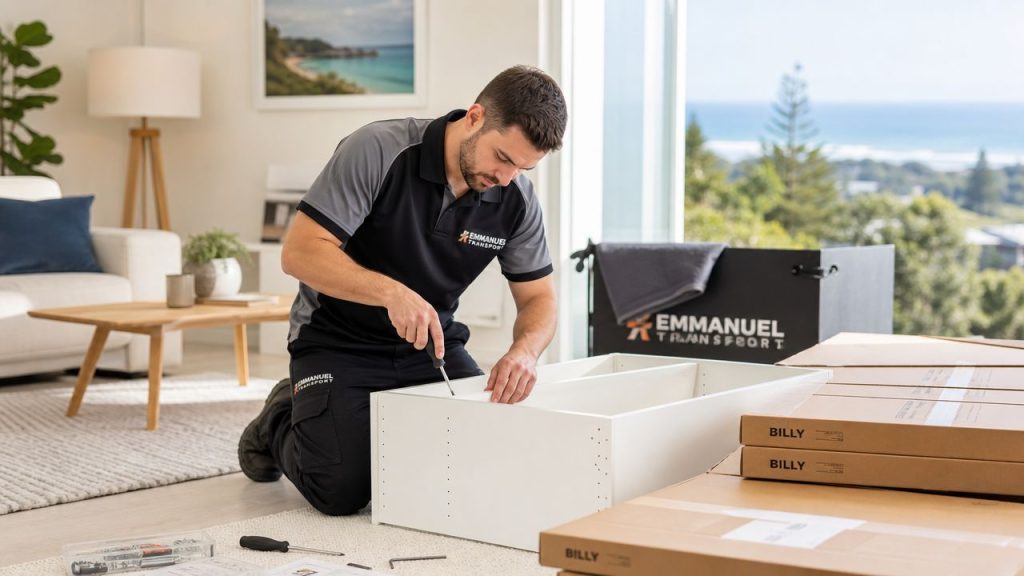

The week before a move usually looks the same. Half-packed kitchen. Tape that’s gone missing again. A sofa that suddenly seems much larger than when it came through the front door. If you’re moving across Perth, you’re probably also juggling key handovers, lift bookings, school runs, work calls, and the small panic of wondering whether everything will fit in one truck.
That stress is normal. Australians move often, averaging 11.7 lifetime relocations, and 8 to 12% of the population moves annually, which is one reason reliable local removalists stay in steady demand in cities like Perth. If you’ve got pets in the mix, planning matters even more. Cat owners, for example, often need a separate routine for travel, settling, and keeping animals calm, so practical guides like these tips for traveling with cats can help avoid a rough first day.
A well-run move doesn’t feel rushed. It feels organised. Good removalists bring structure to the job, from the first quote to the final item placed in the right room. In Perth, that also means knowing how to deal with long suburban runs, tight access in older streets, apartment loading rules, and the way heat can affect delicate furniture and valuables.
Table of Contents
- Your Stress-Free Perth Move Starts Here
- Understanding the Full Spectrum of Removalist Services
- How Perth Removalist Quotes and Pricing Work
- Vetting and Hiring Your Ideal Removalist Team
- Protecting Antiques and Valuables During Your Move
- Your Ultimate Perth Moving Day Checklist
- Your Next Chapter Starts Here
Your Stress-Free Perth Move Starts Here
Removalists aren’t called because moving is exciting. Instead, calls arise from logistics that pile up fast. One family is trying to get out of Joondalup before settlement. Another is moving from an apartment near the city and has a strict loading window. A business in Rockingham needs desks, monitors, and filing units shifted without losing a full workday.
That’s where local experience matters. Perth isn’t one simple moving zone. Access conditions change suburb to suburb. Some homes have easy drive-up loading. Others have laneways, stairs, steep driveways, or soft verge parking that slows everything down if the team hasn’t planned properly.
Practical rule: A smooth move starts before the truck arrives. The quality of the survey, the questions asked, and the access checks usually tell you how the day will go.
The right removalists don’t just lift and load. They sequence the work. They decide what gets wrapped first, what needs dismantling, what should ride upright, and what should be loaded last so it comes off first at the new address. That’s what reduces chaos.
Perth moves also have a rhythm of their own. Early starts beat the afternoon heat. Clear communication helps when building managers, tenants, owners, and tradies all overlap. If you’re moving a full household, the goal isn’t speed at any cost. It’s getting everything across the metro area without damage, delays, or arguments over what was agreed.
Understanding the Full Spectrum of Removalist Services
A Perth move can be a straight house shift from Baldivis to Rockingham, or a much tighter job with apartment lift bookings in the CBD, narrow access in older suburbs, and a storage stop in between. That range is why “removalist service” is too broad to judge on name alone. Some teams provide transport only. Others plan the job properly from packing through to final placement.

More than a truck and two people
Good removal work starts well before loading. For a family move in Joondalup, that might mean pre-packing the kitchen, protecting a fridge that has to travel upright, and checking whether the truck can park close enough to avoid long carry distances. For an office move in Rockingham, it usually means staging the load so desks, chairs, monitors, and labelled cartons come off in the order the new site needs them.
Service levels also change with the job size. A customer might need a single antique cabinet collected from one suburb and delivered without scratches. Another might need a four-bedroom home packed, loaded, stored for a week, then delivered once settlement clears. Both are removalist jobs, but they require different planning, equipment, and labour.
WA conditions matter too. Heat, glare, and long driveway carries can turn a simple move into a slower one if the crew is not prepared. Timber furniture, vinyl records, electronics, artwork, and leather pieces all need sensible handling in Perth conditions, not rushed loading because the team treated every move the same way.
What a full-service team actually covers
A full-service removalist usually offers more than transport. The practical difference shows up in the details:
- Packing options: partial packing for fragile rooms, or full packing for the entire house, including cartons, paper, and protective wrap
- Furniture preparation: dismantling bed frames, tables, and larger units before loading, then reassembling them at the new address
- Special-item handling: artwork, antiques, gym equipment, pianos, or bulky outdoor pieces that need extra padding and tie-down points
- Storage coordination: short-term or longer-term storage when settlement dates, lease dates, or renovation works do not line up cleanly
- Commercial relocation support: labelled crates, after-hours work, and staged delivery so the business can get back up faster
- Access planning: checking stairs, lifts, driveways, verge parking, and loading restrictions before the day, not after arrival
The best way to compare providers is to ask what they will do with your specific inventory. Will they wrap the dining table or expect you to handle that? Will they disconnect and reconnect appliances where appropriate? Will they place cartons by room, or leave everything in the garage? Clear answers matter more than broad promises.
A useful benchmark is whether the company can handle small local jobs, full household moves, office relocations, and storage without changing standards halfway through the process. Emmanuel Transport is a solid local example of that service model, and their guide to removalist quotes in Perth also gives a good sense of how job scope affects what is included.
Good removalists reduce last-minute decisions, protect vulnerable items properly, and keep the day controlled.
If you are comparing quotes, read past the headline price. One team may be charging for transport only. Another may have included the labour, materials, access planning, and furniture work that keep the move running smoothly.
How Perth Removalist Quotes and Pricing Work
Quotes confuse people because two businesses can inspect the same home and price it in completely different ways. One uses an hourly rate and estimates lightly. Another prices the whole job as a fixed quote based on volume, access, labour, and timing. Neither approach is automatically wrong, but you need to know what sits behind the number.
Why volume matters more than most people think
Professional removalists calculate truck space and pricing using cubic metres (m³). For a typical 2 to 3 bedroom Perth home move, the average is 36 to 49 m³, and experienced estimators add a 20% buffer so items aren’t packed too tightly and don’t shift in transit, as outlined in this technical guide to removalist equipment and volume calculations.
That buffer matters. Customers sometimes think a tighter truck load means efficiency. In reality, underestimating volume often creates the exact problems you want to avoid. Delays, cramped loading, second trips, or rushed stacking that puts pressure on furniture and cartons.
A solid quote usually starts with a proper inventory. Not just “three bedrooms” or “medium house”, but a room-by-room view of what is moving. Sofas, bookshelves, outdoor settings, pot plants, gym gear, boxed garage items, and the fridge in the shed all count.
Pricing Models Compared Hourly Rate vs. Fixed Quote
| Pricing Model | Best For | Pros | Cons |
|---|---|---|---|
| Hourly Rate | Smaller local moves with simple access and a short inventory | Flexible if the job is straightforward and easy to complete in one run | Final cost can rise if access is poor, packing isn’t finished, or the inventory was underestimated |
| Fixed Quote | Larger home moves, office relocations, and jobs with more variables | Easier budgeting and clearer scope if the inventory and access details are accurate | Can be misleading if the quote leaves out services, exclusions, or difficult access conditions |
What a transparent quote should include
When you compare quotes, don’t focus only on the total. Check the assumptions.
Look for these details:
- Inventory basis: Was the quote built from a phone chat, photos, video survey, or a proper onsite assessment?
- Access conditions: Stairs, lifts, laneway access, long carry distances, and parking restrictions affect labour time.
- Packing scope: Confirm whether cartons, wrapping, and fragile packing are included or separate.
- Furniture work: Dismantling and reassembly should be listed if you expect it to happen.
- Timing terms: Ask whether the quote covers waiting time, after-hours work, or narrow booking windows.
If you want to see what a quote request should cover before you speak with a mover, this Perth removalist quote page is a useful reference point for the sort of details a company needs to price a job properly.
The most expensive quote isn’t always overpriced, and the cheapest quote isn’t always cheaper once the missing pieces show up on moving day.
Vetting and Hiring Your Ideal Removalist Team
Hiring removalists is a risk decision as much as a convenience decision. You’re handing over the contents of your home or workplace, often under time pressure. The right team lowers friction. The wrong team creates it at every stage, from vague arrival times to avoidable damage.
Questions worth asking before you book
A good screening call should tell you how the company operates. If the answers are hesitant or inconsistent, that usually carries through to the move itself.
Ask direct questions such as:
- Who’s doing the move: Is it their regular crew, a subcontractor, or whoever is free that day?
- How do they handle difficult access: Perth jobs often involve apartment lifts, narrow verges, rear laneways, and older homes with tight hallways.
- What equipment do they bring: Trolleys, straps, blankets, and protective materials should be standard, not an afterthought.
- How do they document special items: If you’ve got artwork, marble tops, glass cabinets, or awkward office equipment, they should have a clear process.
- What happens if timing changes: Settlement delays and key collection issues happen. You want to know how the company manages them.
For business moves, also ask whether they can work weekends or after hours. That’s often the difference between a controlled relocation and a disrupted trading week.
Red flags that usually lead to trouble
Some warning signs show up before the booking is even confirmed.
Watch for these:
- Vague pricing: If the company can’t explain what the quote includes, expect disputes later.
- Poor communication: Slow replies, missed calls, and unclear confirmations are rarely isolated problems.
- No interest in access details: If they haven’t asked about stairs, parking, building rules, or large furniture, the estimate is probably thin.
- Pressure tactics: Rushed bookings and insistence on immediate commitment usually benefit the mover, not you.
- Informal handling of valuables: If they treat a delicate item like “just another piece”, they’re not the right fit for specialist work.
A reliable Perth team should sound methodical. They should ask practical questions, set expectations clearly, and speak in operational terms rather than sales language.
If a removalist spends more time selling than clarifying, keep looking.
Local familiarity also counts. A crew that regularly works Perth metro routes is less likely to be surprised by building access rules, school-zone congestion, or the loading challenges that pop up in busy suburban pockets.
Protecting Antiques and Valuables During Your Move
A standard moving approach is rarely enough for antiques, artwork, heirlooms, and delicate furniture. These pieces need item-specific packing, careful lift points, and the right position in the truck. That matters even more on Perth jobs where a move might involve a hot afternoon run from Joondalup, a longer coastal stretch toward Rockingham, or a property with tight stairs and limited loading space.

Why valuables need a separate moving plan
The main risk is not just obvious breakage. Older timber can react badly to heat and trapped moisture. Veneers can lift, carved details can catch on blankets, and weakened joints can shift if a piece is lifted from the top rail instead of the base. Framed art and mirrors usually fail at the corners first, not in the middle.
Perth conditions add a few practical issues that interstate guides often miss. A piece loaded in the morning can sit in a warm truck by midday. Sea air in western suburbs can affect metal fittings and older finishes. Access also changes the handling plan. A Federation home in an older suburb, a second-floor apartment near the coast, and a modern house with a steep driveway all call for different methods.
Upholstered pieces need a balanced approach. Plastic helps with dirt and scuff protection during loading, but it can also trap heat and moisture if it stays on too long or goes over the wrong fabric. If you are weighing that up before the move, this guide on the pros and cons of plastic couch covers gives a useful overview.
Packing methods that protect delicate items
Good protection comes from layers and restraint, not from wrapping everything as tightly as possible.
The methods that hold up best on moving day include:
- Acid-free paper for sensitive finishes: A safer first layer for polished timber, artwork, and decorative surfaces that mark easily.
- Corner and edge protection: Mirrors, frames, and glass cabinets tend to chip or crack at pressure points first.
- Blanket wrapping with firm securing: Effective for furniture if the blankets stay in place and the item is not bearing weight on a weak point.
- Custom crating for high-risk pieces: The right choice for marble tops, clocks, sculptures, and awkward items that should not flex or take side pressure.
- Controlled truck placement: Upright loading, separation from heavy cartons, and no stacking against fragile faces or protruding details.
The detail work matters. Drawer contents should usually come out. Shelves, glass panels, and marble inserts should travel separately. Loose keys, handles, and fittings need to be bagged, labelled, and taped to the item only if the surface will not be marked.
For households with fragile collections, I always recommend using a team that packs these items themselves rather than leaving half the preparation to guesswork. That is one reason many Perth clients use professional packing services in Perth before the truck arrives. Companies such as Emmanuel Transport are often used as a benchmark here because the process is methodical. The pack, lift, load, and placement decisions all follow the same plan.
This short video gives a useful visual sense of careful handling around delicate pieces and larger valuables.
When professional handling is the safer call
Some items should not be treated as general furniture. Grandfather clocks, stone tops, oversized mirrors, original paintings, brittle cane, and antique cabinets with old glue joints all fall into that category.
DIY wrapping often looks fine in the lounge room and fails at the first doorway, stair turn, or hard brake. The issue is usually technique, not effort. If a piece is irreplaceable, structurally delicate, unusually heavy, or sensitive to Perth heat, book specialist handling from the start. That cost is usually far lower than restoration, insurance disputes, or permanent loss.
Your Ultimate Perth Moving Day Checklist
The last day before a move should be simple. Not because there’s nothing left to do, but because the important jobs are already decided. A short checklist keeps the day moving and stops little misses from turning into big delays.

Before movers arrive
- Confirm addresses and timing: Recheck entry details, parking arrangements, and contact numbers for both properties.
- Seal and label every box: Write the room name clearly and mark anything fragile in a way the crew can spot fast.
- Pack an essentials bag: Keep medications, chargers, keys, documents, water, snacks, and basic toiletries with you.
During the move
- Stay available for questions: The team leader may need quick decisions on furniture placement, fragile handling, or access points.
- Walk through both properties: Show what’s going, what’s staying, and anything that needs extra care.
- Keep pathways clear: Remove loose mats, pot plants, and clutter from the loading route to reduce delays and accidents.
A five-minute walkthrough at the start can save an hour of confusion later.
After unloading
- Check room placement first: It’s easier to fix furniture positioning before the truck leaves than after the crew has gone.
- Review visible condition: Look over major items and cartons before sign-off so any issues are identified immediately.
- Set up only the essentials: Make beds, plug in the fridge if ready, and get one bathroom and part of the kitchen functional first.
Don’t aim to unpack the whole house on day one. Aim to make the first night easy.
Your Next Chapter Starts Here
A Perth move can look settled on paper, then change fast on the day. A loading zone in Mount Hawthorn is taken. Settlement times shift. A sea breeze rolls in and suddenly timber furniture, artwork, or electronics need a bit more care than expected. Good results usually come from choosing a crew that plans for those variables instead of reacting to them late.
The final stage of a move is less about boxes and more about reducing friction in the first week. That means getting the right truck size, allowing for access issues in older suburbs and apartment blocks, and having a backup plan if your keys, cleaners, or storage timing do not line up. In Perth, those details matter whether you are moving from Joondalup, downsizing near Fremantle, or relocating a family home to Rockingham.
I tell clients to judge a removalist by how they handle the awkward parts. Tight driveways, heat-sensitive items, split delivery times, and short-term holding periods are where experience shows. As noted earlier, reviewing Perth removals and storage options early gives you more control if handover dates drift or part of the load needs to be held back.
Once the truck is unloaded, set the house up to work before you try to make it look finished. Beds, fridge, internet, and one clear living area come first. If you are deciding what to buy after the move, this practical furnishing your new home checklist helps you cover the basics before spending on extras.
Emmanuel Transport is based at 190 Scarborough Beach Road, Mount Hawthorn, and provides free, transparent quotes for Perth metropolitan moves.
If you want a mover that understands Perth access conditions, suburb-to-suburb timing, and the care needed for valuables in WA conditions, contact Emmanuel Transport to discuss your job and request a quote.