Moving house without a plan turns into chaos faster than you’d expect. Furniture gets scratched, movers stand around waiting, and things you meant to donate end up jammed into a truck you’re paying by the hour. Knowing how to organise furniture removal before moving day gives you control over the entire process, from what gets packed and what gets donated, to how your new home gets set up on arrival. This guide walks you through every stage with practical, no-fuss steps that genuinely save time, money, and your sanity.
Table of Contents
- Key takeaways
- Planning ahead: what to prepare before removing furniture
- Disassembling and packing furniture for removal
- Coordinating furniture removal day
- Disposal, donation, and leftover furniture removal
- Common mistakes that complicate furniture removal
- My take on what actually works when you’re moving furniture
- Let Emmanuel Transport take the load off
- FAQ
Key takeaways
| Point | Details |
|---|---|
| Start planning early | Begin sorting and inventorying furniture at least eight weeks before your move date. |
| Measure before disassembling | Check furniture and doorway dimensions first to avoid unnecessary disassembly work. |
| Label all hardware carefully | Bag and label screws and fittings by furniture piece to speed up reassembly. |
| Know your disposal options | Research local bulky waste rules and donation opportunities well before moving day. |
| Communicate with your movers | Confirm what your removalists will and won’t handle to avoid surprises on the day. |
Planning ahead: what to prepare before removing furniture
The foundation of a smooth furniture removal is laid weeks before a single item gets lifted. Most moving day disasters trace back to one root cause: people underestimate how much organising furniture for moving actually requires.
Starting your plan eight weeks out gives you enough runway to tackle one or two rooms per weekend without burning out. That pacing matters. When you rush the preparation, you end up making hasty decisions about what to keep, what to ditch, and what to pack. Those rushed decisions cost money.
Here is where to put your energy in the weeks before the move:
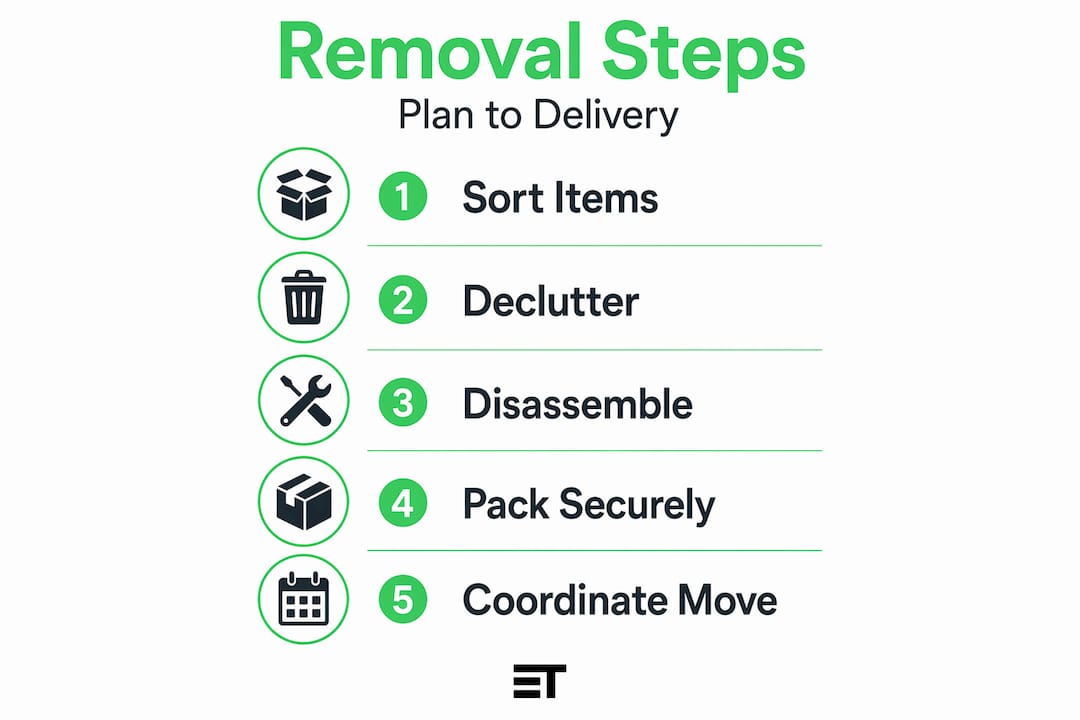
- Create a furniture inventory. Walk through every room and list each piece. Note its size, condition, whether it disassembles, and its destination in the new home. This inventory becomes the backbone of your entire removal plan.
- Sort into three piles. A Keep / Donate / Dispose system reduces last-minute decision stress and often cuts your moving costs considerably. If you haven’t used a piece in over a year, it probably belongs in the donate or dispose pile.
- Measure everything that matters. Before you assume a wardrobe can be moved in one piece, measure it against your doorways, hallways, and stairwells. This single step prevents enormous amounts of wasted effort on moving day.
- Research disposal and donation options. Find out what your local council collects kerbside, which charities accept used furniture, and what fees apply to professional removal. Perth residents have several local donation options worth investigating early.
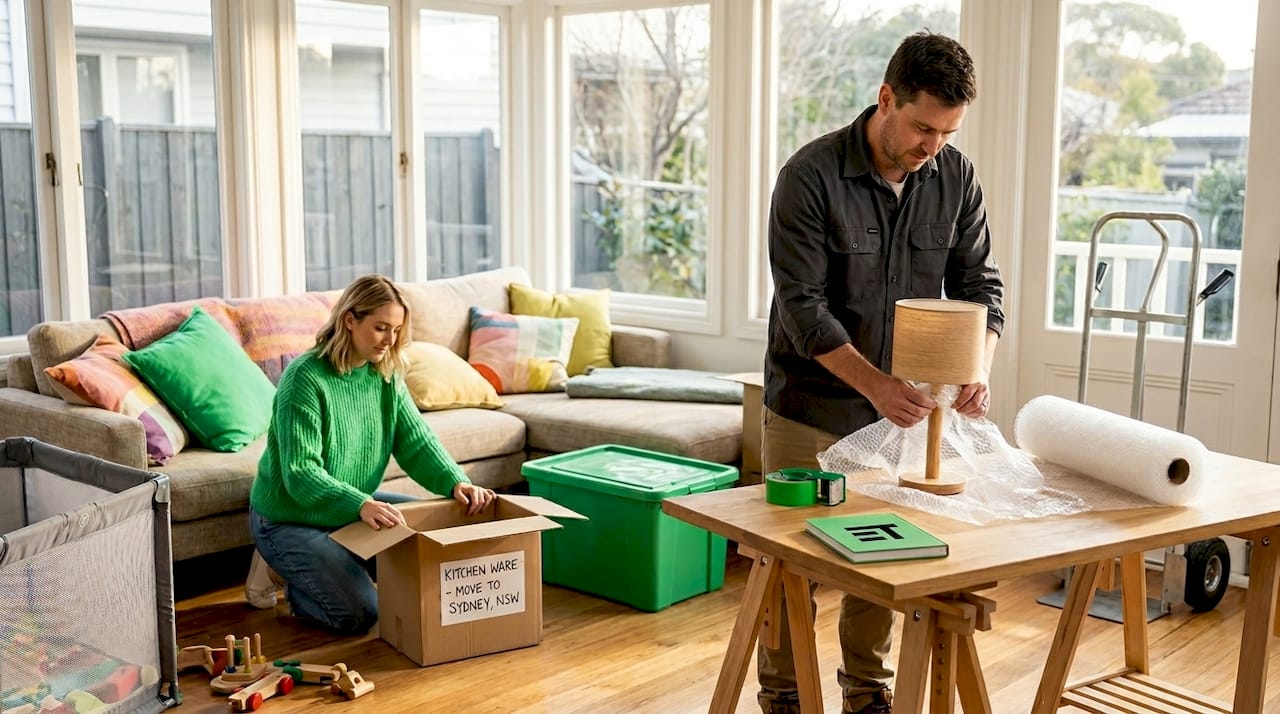
- Gather your materials. You’ll need furniture blankets, bubble wrap, packing tape, marker pens, zip-lock bags for hardware, and at minimum a screwdriver set and an Allen key collection.
Pro Tip:Declutter in order of the rooms you use least. Start with spare bedrooms and storage spaces where attachment to items is lower. You’ll make cleaner decisions and build momentum before tackling emotionally loaded spaces like the living room.
A well-stocked preparation phase means moving day becomes a logistics exercise, not a fire-fighting session.
Disassembling and packing furniture for removal
This is the step most people get wrong, either by disassembling too much or too little. The best way to remove furniture involves a clear-eyed assessment of what actually needs to come apart.
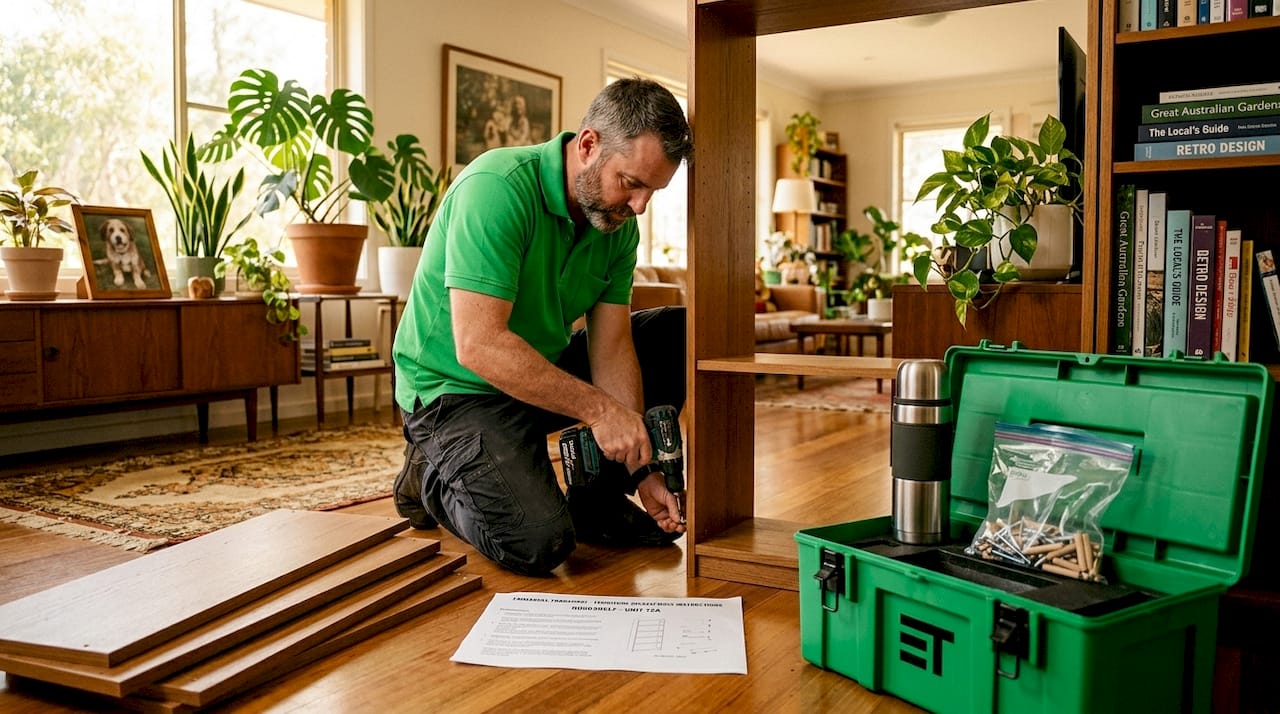
Measuring both furniture and pathways before you reach for a screwdriver is the smartest move you can make. If a bookcase fits through your front door standing upright, there is no reason to spend an hour dismantling it. Save the disassembly for pieces that genuinely won’t fit any other way.
Follow these steps for safe, organised disassembly and packing:
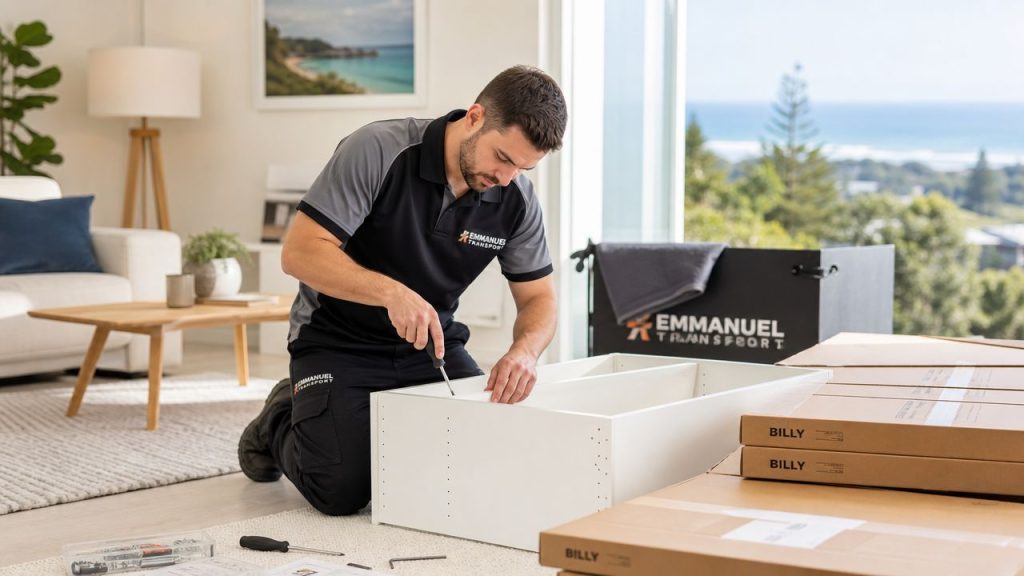
- Identify what must be disassembled. Beds, flat-pack wardrobes, large dining tables, and L-shaped sofas almost always need to come apart. Solid timber bookshelves and side tables often don’t.
- Remove loose parts first. Take out drawers, detach shelves, and remove cushions before attempting to move any frame. Removing legs and fragile parts separately makes transport far safer and reduces the chance of snapping or cracking.
- Bag and label all hardware immediately. Use a separate zip-lock bag for every piece of furniture you disassemble. Write directly on the bag: the item name, the specific part (e.g. “bed frame, left rail screws”), and the destination room. Label bags and tape them directly onto the corresponding furniture piece. You will not regret this step when you’re reassembling at 9pm in your new home.
- Wrap fragile and finished surfaces. Use furniture blankets for large flat surfaces like tabletops and cabinet doors. Bubble wrap is best reserved for glass inserts, mirrors, and decorative elements. For detailed guidance, the expert packing tips from Emmanuel Transport cover material choices for different furniture types.
- Keep disassembly tools accessible. Don’t pack your Allen keys and screwdrivers into a box at the back of the truck. Keep them in a clearly marked bag that travels in the cabin or with you.
- Photograph complex assemblies before dismantling. This takes thirty seconds and saves enormous frustration at reassembly. Snap a photo of cable arrangements behind entertainment units and any furniture with unusual joinery.
Pro Tip:For any piece of furniture that required instructions to build originally, search the manufacturer’s name and model number online before you disassemble. Most modern flat-pack brands publish reassembly guides as PDFs. Download them before the move, not after.
Moving day has a way of compressing time, so the more you can pre-prepare, the less gets left to chance.
Coordinating furniture removal day
Preparation gets you to moving day. Coordination gets you through it. Even with the best furniture removal checklist in hand, removal day can unravel quickly if you haven’t managed the logistics properly.
Confirming your removalists’ policies on disassembly and packing before the day itself is non-negotiable. Some removalists handle basic disassembly as part of their service. Others don’t touch it. Knowing which camp your movers fall into changes everything about how you prep.
Here is what to lock in before the truck rolls up:
- Confirm your booking in writing 48 hours before. Get the start time, the team size, and the truck capacity confirmed. If anything has changed on your end (extra items, address access issues), raise it now rather than on the day.
- Arrange parking clearance for the removal vehicle. In Perth suburbs, this can mean temporarily shifting neighbours’ cars or notifying body corporate for apartment buildings. A truck that can’t park close to your front door adds significant time and labour to the job.
- Create a room map for your new home. Before the movers arrive, sketch out or print a simple floor plan showing where key pieces go. Label rooms on the doors so the crew can work without asking you every five minutes.
- Place items in priority loading order. The last items loaded should be the first items you need at the new property. Typically that means your bed, the kettle, and your toiletries bag ride at the back of the truck.
- Stay visible and available. You don’t need to hover over every lift, but don’t disappear. Movers will have questions about fragile items, items they’re unsure about, or access issues that only you can resolve quickly.
Managing delays is a reality of most moves. If something goes sideways, a traffic jam or a piece that won’t fit through a door, stay calm and problem-solve one issue at a time. For heavy and awkward pieces, moving heavy furniture safely is something experienced removalists handle far better than most people expect.
Disposal, donation, and leftover furniture removal
Not everything makes the move. Knowing your options for furniture you’re leaving behind is a critical part of organising the whole process, and it’s one most guides gloss over too quickly.
Here’s a comparison of your main options:
| Method | Cost | Lead time needed | Best for |
|---|---|---|---|
| Council kerbside collection | Free or low fee | 2–7 days advance booking | Large items, bulky waste |
| Charity donation pickup | Free | 3–14 days | Good condition furniture |
| Professional junk removal | $150–$350+ | 1–3 days | Volume, speed, convenience |
| Facebook Marketplace/Gumtree | Free (or earn money) | Variable | Items with resale value |
| Skip bin hire | $200–$500+ | 1–2 days | Whole-house clearances |
Professional junk removal services typically cost $150 to $350 depending on volume, complexity, and whether stairs or tight spaces are involved. If you have only a few items, many services charge a minimum call-out fee in the $70 to $120 range.
For kerbside collection, the rules are strict and vary by council. Bulk item pickup often requires advance booking and comes with limits on size, weight, and quantity. Don’t assume your council will collect everything in one pass. Treat local bulky waste rules as unique to your area and verify them directly on your council’s website before moving week.
A few things to keep in mind for smooth disposal:
- Mattresses almost always need special preparation. Many councils require mattresses to be bagged in sealed plastic before collection. An unsealed or dirty mattress may be refused, leaving you with a problem at the worst possible time.
- Clean and prepare donated items properly. Charities will often decline heavily soiled or damaged furniture. Wipe down surfaces and check for broken components before booking a pickup.
- Sell valuable pieces early. List anything worth selling at least three to four weeks before moving day. Waiting until the last week creates pressure to accept low offers or arrange last-minute logistics.
Common mistakes that complicate furniture removal
Even well-prepared movers make a handful of predictable errors. Knowing what they are puts you several steps ahead.
- Leaving bookings too late. Quality removalists in Perth book out fast, particularly on weekends and at the end of the month. Last-minute availability usually means paying a premium or accepting whoever’s free. Book your removalist as soon as your moving date is confirmed.
- Skipping measurements. It takes ten minutes to measure furniture against your new home’s entry dimensions. Skipping this step has stranded plenty of sofas in stairwells. Measuring furniture and doorways before the move is one of the simplest things you can do to prevent a costly, stressful problem.
- Losing hardware during disassembly. Loose screws in an untaped bag, sitting on the floor of an empty room, will disappear. Always bag, label, and tape hardware to the furniture piece immediately after removal.
- Ignoring local disposal packaging rules. What your council won’t collect stays your problem. Verify the rules specifically for your area, particularly for items like mattresses, whitegoods, and treated timber.
- Poor communication with movers. Assumptions about what movers will handle often lead to awkward standoffs on moving day. Discuss the disassembly and packing policies with your removalist before the day, not during it.
Pro Tip:Write a single-page moving day briefing note for your removalist crew. Include the floor plan of the new home, any fragile items that need special handling, and the order you want rooms prioritised. Experienced movers appreciate it and it cuts down on unnecessary back-and-forth.
Avoiding these errors turns what might have been a costly, chaotic day into one that runs to schedule.
My take on what actually works when you’re moving furniture
I’ve been involved in hundreds of furniture removals across Perth, and I’ll tell you honestly: the difference between a smooth move and a stressful one rarely comes down to the size of the job. It comes down to how early someone started organising.
The moves that go badly almost always share the same story. Sorting starts too late, decisions pile up, and by the time moving day arrives, half the furniture still hasn’t been decided on. I’ve seen people spend more money on last-minute junk removal in a single afternoon than they saved by not hiring a professional packer two weeks earlier.
The advice that surprises people most is about disassembly. My experience is that most people either disassemble far too much or not nearly enough. If you measure first and the piece fits, leave it whole. Every unnecessary disassembly introduces a chance for a lost screw, a stripped bolt, or damage to a veneer surface. The risk and benefit calculation depends on your specific furniture, not on some general rule.
What I’ve found genuinely valuable is the briefing note approach. When a customer hands the crew a simple floor plan and a short list of fragile items at the start of the job, the whole day moves faster. Nobody’s standing around asking questions. Everyone knows where the king bed goes, which boxes are heavy, and which items need extra care.
The other thing people underestimate is the emotional cost of decision-making under time pressure. A three-pile system started early removes that burden entirely. By the time moving day comes, every piece of furniture has already been decided on. That’s not just a logistics win. It’s a genuine reduction in stress.
— Emmanuel
Let Emmanuel Transport take the load off

Organising furniture removal takes real effort, but you don’t have to manage every detail yourself. Emmanuel Transport has helped Perth residents and businesses relocate efficiently and without damage across hundreds of jobs. Whether you’re moving a studio apartment or a five-bedroom home, the team brings fully insured vehicles, experienced crew, and the kind of careful handling your furniture deserves.
For apartment moves, the apartment moving tips page covers Perth-specific strategies for lifts, stair access, and tight corridors. If you want a full step-by-step resource before you book, the moving into a new house checklist walks you through every stage of the process. Get in touch with Emmanuel Transport for a free, no-obligation quote and see how straightforward your next move can be.
FAQ
How far in advance should I plan furniture removal?
Start at least eight weeks before your move date. This gives you time to sort furniture into keep, donate, and dispose categories across one or two rooms per weekend without pressure.
Do I need to disassemble all furniture before movers arrive?
Not necessarily. Measure furniture against doorways and hallways first. Only disassemble what genuinely won’t fit through access points or won’t survive transit intact.
What is the cheapest way to get rid of furniture I’m not moving?
Council kerbside collection is usually free or low cost, though it requires advance booking and has size and weight limits. Donation to a charity is free and works well for items in good condition.
How do I keep track of screws and fittings during disassembly?
Place all hardware in labelled zip-lock bags and tape each bag directly to the furniture piece it belongs to. Label bags with the item name and specific part (e.g. “bookcase, middle shelf bracket”) so reassembly is straightforward.
What should I do with a mattress I’m not keeping?
Check your local council’s rules before putting it out for collection. Many councils require mattresses to be wrapped in sealed plastic before they will collect them. An unsealed mattress is often refused, which creates a last-minute disposal problem.